
.svg)



.webp)


%201.avif)
The shopify thank you page represents one of the most underutilised opportunities in eCommerce. After a customer completes their purchase, they're at peak engagement-yet most stores treat this crucial touchpoint as a simple order confirmation. For ambitious UK brands running on Shopify, this page offers significant potential for building loyalty, encouraging repeat purchases, and strengthening customer relationships. Understanding how to customise and optimise your thank you page can transform it from a transactional endpoint into a strategic revenue driver that continues to deliver value long after checkout.
Understanding the Shopify Thank You Page
Your Shopify thank you page appears immediately after a customer completes their purchase. This native feature confirms the order, provides transaction details, and reassures customers that their payment was successful.
The default configuration includes essential information such as order number, shipping address, payment confirmation, and estimated delivery dates. Whilst functional, this standard approach misses the opportunity to capitalise on the customer's positive emotional state and high attention levels.
Modern Shopify stores can leverage this page to:
- Introduce loyalty programmes and reward schemes
- Cross-sell complementary products
- Collect valuable customer feedback
- Encourage social media engagement
- Provide exclusive discount codes for future purchases
- Build brand affinity through personalised messaging
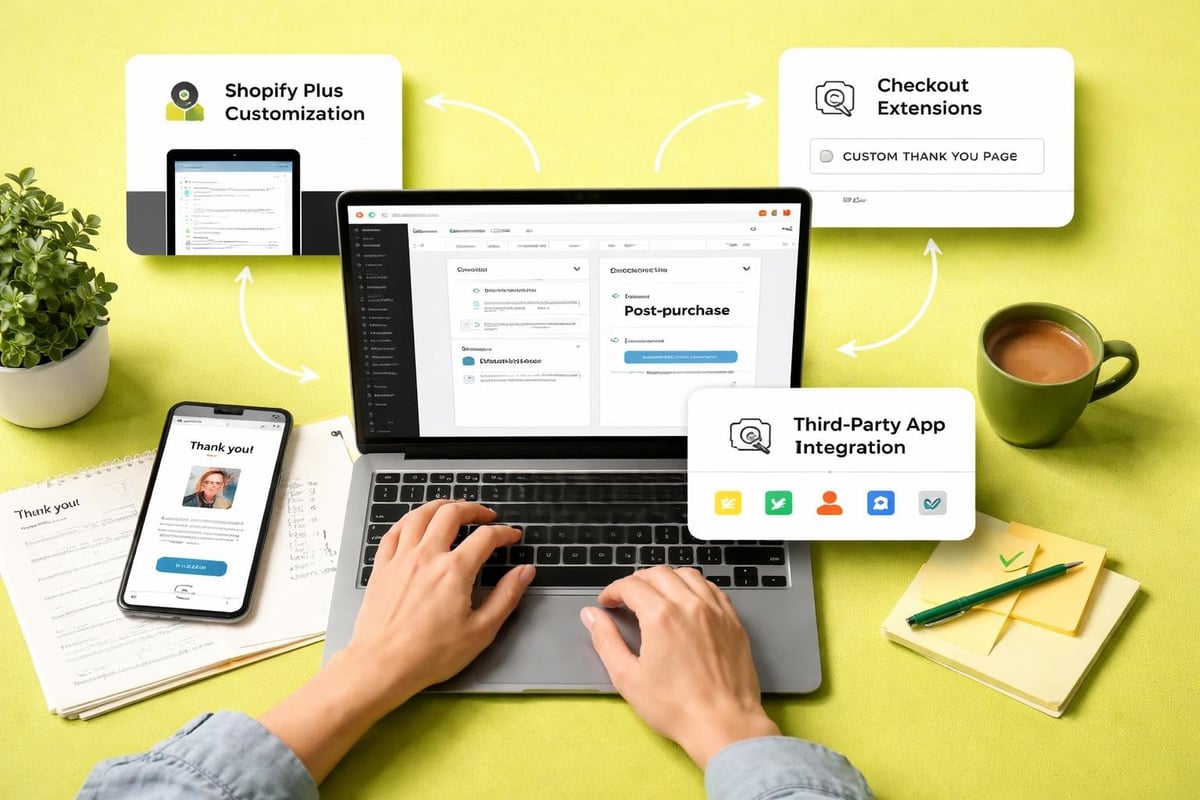
The thank you page sits within Shopify's checkout environment, which means customisation requires either Shopify Plus features, checkout UI extensions, or third-party applications. Understanding these technical boundaries helps you plan realistic implementations that align with your store's capabilities.
Customisation Options for Your Thank You Page
Shopify offers several approaches to modifying the shopify thank you page, each suited to different technical requirements and business objectives. The method you choose depends on your Shopify plan, development resources, and specific goals.
Native Shopify Plus Features
Shopify Plus merchants gain access to checkout.liquid, enabling comprehensive customisation of the entire checkout experience including the thank you page. This provides maximum flexibility for brands with specific requirements.
Customisation MethodRequirementsFlexibilityTechnical ComplexityShopify Plus checkout.liquidShopify Plus planVery HighHighCheckout UI ExtensionsAny planMediumMediumThird-party AppsAny planMediumLowAdditional ScriptsAny planLimitedMedium
For merchants on standard Shopify plans, checkout UI extensions provide a modern alternative. These extensions allow developers to add custom content blocks, tracking pixels, and interactive elements without requiring Shopify Plus.
App-Based Solutions
The Shopify App Store contains numerous applications designed specifically for thank you page enhancement. These tools typically offer drag-and-drop interfaces that simplify customisation for non-technical users.
Popular functionalities include:
- Post-purchase upsells and product recommendations
- Customer survey widgets
- Social proof notifications
- Referral programme integrations
- Email capture for abandoned cart sequences
Selecting the right Shopify apps requires careful evaluation of your specific needs, budget constraints, and performance implications. Poorly optimised applications can slow page loading times, potentially undermining the positive post-purchase experience.
Strategic Elements to Include
Transforming your shopify thank you page from basic confirmation into a conversion tool requires strategic thinking about what resonates with your specific audience. UK brands often benefit from incorporating elements that reflect British customer expectations and shopping behaviours.
Personalisation and Order Confirmation
Begin with crystal-clear order confirmation details. Customers need immediate reassurance that their purchase succeeded and when they can expect delivery. Include personalised elements such as the customer's name, specific products purchased, and tailored messaging based on order value or product category.
Essential confirmation elements:
- Order number prominently displayed
- Itemised product list with images
- Shipping address confirmation
- Expected delivery timeframe
- Payment method verification
- Clear contact information for support
Beyond these basics, consider dynamic content that adjusts based on purchase history. First-time customers might receive onboarding content explaining your brand values, whilst repeat buyers could see loyalty points earned or exclusive preview access to new collections.
Cross-Selling and Upselling Opportunities
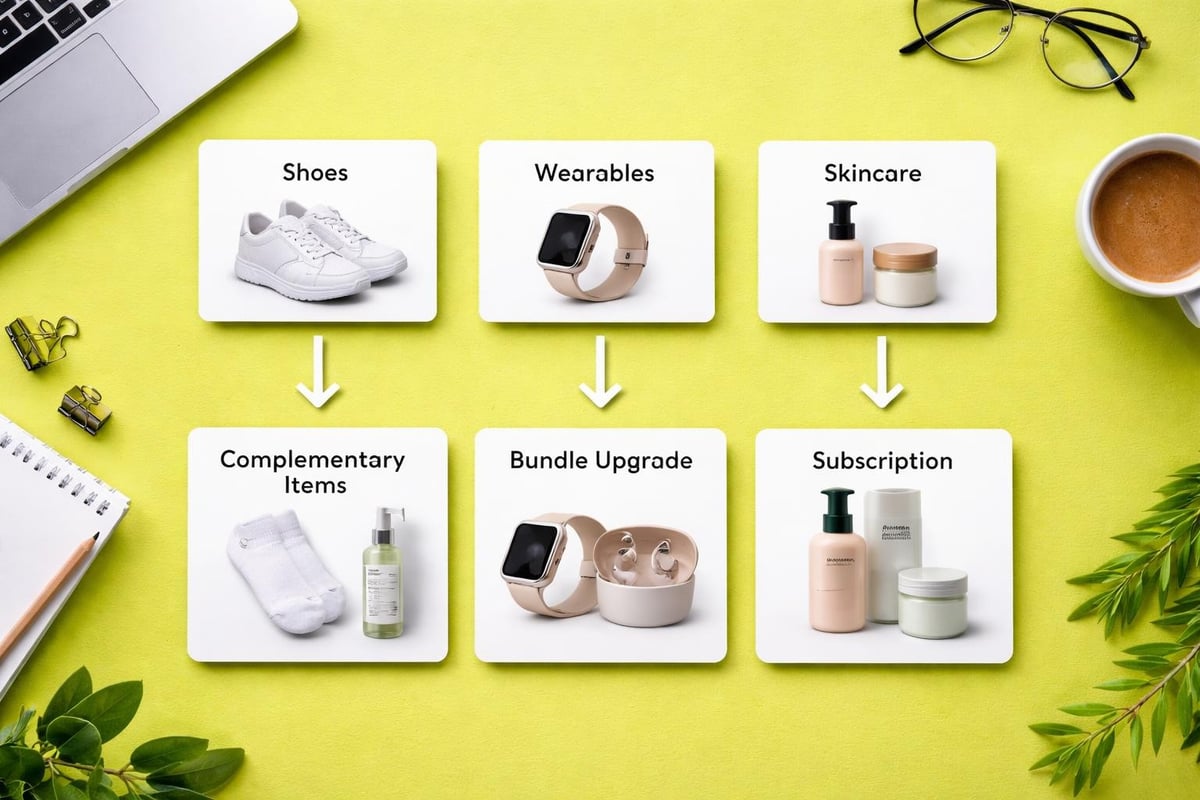
The thank you page presents an ideal moment for relevant product recommendations. Customers have already demonstrated purchase intent and completed the friction-heavy checkout process, making them receptive to complementary items.
Implement cross-sells strategically by showing products that genuinely enhance the primary purchase. A customer who bought running shoes might appreciate high-performance socks or a training programme subscription. Avoid aggressive selling-this page should reinforce the positive purchase decision rather than create buyer's remorse.
Conversion rate optimisation principles suggest limiting recommendations to three to five carefully curated products. Too many options create decision paralysis, whilst highly targeted suggestions demonstrate understanding of customer needs.
Building Customer Loyalty Through Thank You Pages
Your shopify thank you page serves as the perfect introduction point for loyalty initiatives. Customers who just completed a purchase are in a positive mindset and receptive to ongoing engagement opportunities.
Loyalty Programme Integration
Introduce your rewards programme immediately after purchase, when customers feel most connected to your brand. Display points earned from their current transaction and explain how these translate into future benefits.
Effective loyalty integration includes:
- Clear visual representation of points earned
- Progress indicators showing path to next reward tier
- Immediate benefits such as birthday month discounts
- Simple explanation of how the programme works
- One-click enrollment for new customers
Research from Rainstorm Studio demonstrates that thank you pages with loyalty programme integration see significantly higher enrollment rates compared to separate landing pages. The timing capitalises on existing engagement rather than requiring additional effort from customers.
Social Proof and Community Building
Encourage customers to join your brand community by highlighting social media channels, user-generated content opportunities, and review platforms. Frame these requests around enhancing their experience rather than purely benefiting your marketing efforts.
Consider offering small incentives for social actions-a 10% discount code for following on Instagram or a competition entry for sharing purchase photos. These tactics work particularly well for visually appealing products or lifestyle brands.
Technical Implementation Best Practices
Successfully implementing shopify thank you page customisations requires attention to technical performance and user experience considerations. Poor execution can undermine the positive impression created by a smooth checkout process.
Mobile Responsiveness
Over 70% of UK eCommerce traffic comes from mobile devices in 2026, making mobile optimisation essential. Your thank you page must render perfectly across all device sizes, with touch-friendly buttons and easily readable text.
Test customisations on multiple devices and screen sizes before launching. What looks excellent on desktop might become cluttered or illegible on smartphone screens. As noted in guidance from Tevello, simplicity often outperforms complexity on mobile thank you pages.
Page Load Speed
Every additional element on your shopify thank you page adds technical overhead. Balance desired functionality against performance implications, particularly when using third-party applications or custom scripts.
Speed optimisation checklist:
- Compress all images before uploading
- Minimise external script dependencies
- Lazy-load non-critical content
- Test page speed with tools like Google PageSpeed Insights
- Monitor performance after each modification
- Remove unused app code
Slow-loading thank you pages create anxiety during the crucial post-purchase moment. Customers may worry their order didn't process properly or attempt to re-submit payment, causing complications for both parties.
Data Collection and Feedback Mechanisms
The shopify thank you page offers an excellent opportunity to gather valuable customer insights whilst engagement remains high. Strategic data collection informs future optimisation efforts and helps you understand customer motivations.
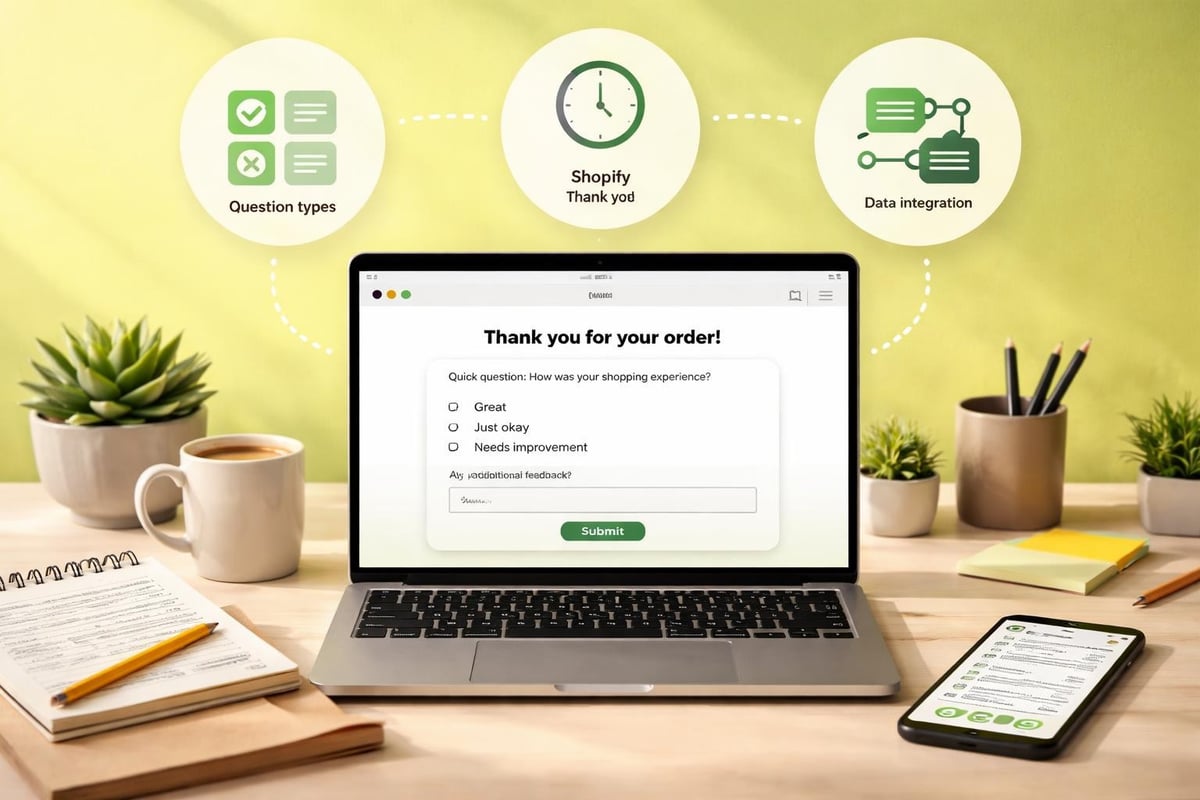
Post-Purchase Surveys
Brief surveys asking about purchase experience, product discovery methods, or satisfaction levels yield high response rates when embedded directly on the thank you page. Keep surveys to two or three questions maximum-customers have limited patience even in positive moments.
Questions might include:
- How did you hear about us?
- Was there anything that nearly prevented your purchase?
- What product would you like to see next?
- How would you rate your shopping experience?
Insights from Blubolt highlight that thank you page surveys generate 3-5 times higher response rates than follow-up emails. The immediate context helps customers provide more accurate, detailed feedback.
Email Capture for Marketing
Whilst Shopify already collects customer email addresses during checkout, the thank you page provides space to set email preferences and encourage opt-ins for specific communication types. Allow customers to choose which emails they receive-product updates, sales notifications, educational content, or all of the above.
Clear value propositions increase email marketing opt-in rates. Offering exclusive content, early access to sales, or valuable resources in exchange for permission creates fair exchange rather than one-sided data collection.
Advanced Customisation Techniques
For brands seeking sophisticated shopify thank you page implementations, advanced customisation techniques enable unique experiences that differentiate from competitors. These approaches typically require development expertise but deliver significant returns.
Dynamic Content Based on Order Attributes
Create intelligent thank you pages that adapt based on specific order characteristics. Different product categories, order values, customer segments, or geographic locations can trigger unique content blocks.
A beauty brand might show skincare routine guides to customers who purchased facial products, whilst directing makeup buyers toward tutorial content. This relevance strengthens the perception of personalised service and increases content engagement rates.
Technical implementation often involves Shopify's Liquid templating language or custom JavaScript that reads order data and conditionally displays appropriate content sections. The Shopify Community offers extensive discussions on various implementation approaches from experienced developers.
Video Content Integration
Video content on thank you pages significantly increases time on page and emotional connection. Consider including:
- Founder thank you messages
- Product usage tutorials
- Behind-the-scenes brand content
- Customer testimonial compilations
- Unboxing guides
Keep videos short-60 to 90 seconds maximum-and ensure they're hosted on optimised platforms like YouTube or Vimeo rather than directly uploaded to avoid performance issues. Always include subtitles, as many users browse with sound disabled.
Measuring Thank You Page Performance
Optimising your shopify thank you page requires ongoing measurement and refinement. Establish clear metrics that align with your specific objectives, whether that's increasing average order value, building loyalty programme membership, or driving social media growth.
Key Performance Indicators
Track these essential metrics to understand thank you page effectiveness:
MetricPurposeTarget BenchmarkPage engagement rateMeasures interaction with custom elements15-25%Upsell conversion rateTracks post-purchase additional sales5-12%Loyalty programme enrollmentGauges programme appeal20-35%Social media click-throughIndicates community building success8-15%Survey response rateReflects feedback quality25-40%
Analytics platforms like Google Analytics can track many these metrics through event tracking and goal configurations. Shopify's native analytics provide order-level data, whilst third-party applications often include built-in reporting for their specific features.
A/B Testing Strategies
Systematic testing reveals which thank you page elements resonate with your specific audience. Test one variable at a time to isolate impact-headline copy, upsell product selection, loyalty programme positioning, or call-to-action button colour.
Run tests for sufficient duration to gather statistically significant data. Seasonal variations and promotional periods can skew results, so aim for at least two weeks of consistent traffic before drawing conclusions. Brands with detailed Shopify eCommerce website design strategies often allocate 10-15% of customisation budgets specifically for ongoing testing and refinement.
Common Mistakes to Avoid
Even well-intentioned shopify thank you page customisations can backfire when they violate user experience principles or create confusion. Understanding common pitfalls helps you avoid undermining the positive purchase experience.
Critical errors to avoid:
- Overwhelming customers with excessive information or choices
- Unclear differentiation between order confirmation and marketing content
- Aggressive upselling that creates purchase anxiety
- Mobile-unfriendly layouts requiring excessive scrolling or zooming
- Slow-loading elements that delay order confirmation visibility
- Broken links or non-functional interactive elements
- Failing to maintain brand consistency with rest of site
The Shopify community emphasises simplicity and clarity above clever marketing tactics. Your thank you page should first and foremost confirm the purchase successfully completed before introducing additional elements. According to insights from Pro Face-Off, the most successful thank you pages balance business objectives with genuine customer service.
Integration with Broader Customer Journey
Your shopify thank you page doesn't exist in isolation-it represents one touchpoint within the complete customer journey. Strategic integration with pre-purchase and post-purchase experiences creates cohesive brand interactions that build long-term value.
Connection to Checkout Experience
Maintain visual and messaging consistency between your checkout page and thank you page. Jarring transitions undermine trust and create confusion. Use matching colour schemes, typography, and design language throughout the entire purchase funnel.
If your checkout emphasises sustainability or ethical production, reinforce those values on the thank you page with impact statistics or certification badges. Consistency strengthens brand identity and demonstrates authentic commitment rather than superficial marketing messages.
Email Marketing Sequences
Coordinate thank you page content with automated email sequences triggered post-purchase. Avoid duplicating the same offers or information across channels, which creates recipient fatigue and dilutes message impact.
Instead, create complementary touchpoints-the thank you page might introduce your loyalty programme whilst the first email provides detailed programme benefits and enrollment instructions. Subsequent emails can deliver promised discount codes, shipping updates, or educational content referenced on the thank you page.
Compliance and Legal Considerations
UK-based Shopify stores must ensure their shopify thank you page implementations comply with relevant regulations including GDPR, consumer protection laws, and accessibility requirements.
Data Protection Requirements
Any data collection on thank you pages requires clear consent mechanisms and transparent privacy policies. Customers must understand what information you're collecting, how you'll use it, and their rights to access or deletion.
Pre-ticked checkboxes violate GDPR principles-customers must actively opt in to non-essential communications. Display concise privacy information near collection points with links to complete privacy policies for customers wanting detailed information.
Accessibility Standards
Ensure your customised thank you page meets WCAG 2.1 Level AA accessibility standards. This includes:
- Sufficient colour contrast ratios
- Keyboard navigation support
- Screen reader compatibility
- Clear focus indicators for interactive elements
- Alternative text for images
- Logical heading hierarchy
Accessibility benefits all customers, not just those with disabilities. Clear information architecture and intuitive navigation improve experience across all user segments whilst demonstrating social responsibility and reducing legal risk.
Optimising your shopify thank you page transforms a basic confirmation screen into a strategic asset that drives loyalty, increases customer lifetime value, and strengthens brand relationships. By implementing personalised content, strategic cross-sells, and seamless integration with your broader customer journey, you create post-purchase experiences that set your store apart from competitors. If you're looking to build a high-performing Shopify store that maximises every touchpoint including the crucial thank you page, Futur Media combines technical expertise with commercial insight to deliver eCommerce solutions that drive measurable results for ambitious UK brands.



.svg)