
.svg)



.webp)


%201.avif)
Launching a Shopify store is an exciting milestone for any ambitious brand, but the real validation comes when you secure that crucial first sale. Understanding how to get your first sale on Shopify requires a strategic approach that combines store optimisation, targeted traffic generation, and conversion-focused design. Many new store owners underestimate the work required to transform a newly launched site into a revenue-generating platform. This guide explores the proven tactics that UK brands use to achieve their initial sales breakthrough, covering everything from technical store preparation to marketing strategies that drive qualified visitors and convert them into paying customers.
Optimise Your Store Foundation Before Launching
Before you focus on driving traffic, your Shopify store needs to be properly prepared to convert visitors. A poorly optimised store will waste every pound you spend on marketing.
Technical Performance and Speed
Page load speed directly impacts conversion rates. Research consistently shows that even a one-second delay can reduce conversions by 7%. Your Shopify theme choice matters significantly here.
Consider these technical priorities:
- Compress all product images without sacrificing quality
- Minimise installed apps to reduce script loading times
- Choose a lightweight, mobile-optimised theme
- Enable Shopify's built-in image lazy loading
- Test your store speed using Google PageSpeed Insights
Mobile performance deserves particular attention, as over 70% of eCommerce traffic now comes from mobile devices. Test your checkout process on multiple devices to ensure seamless functionality.
Trust Elements and Professional Polish
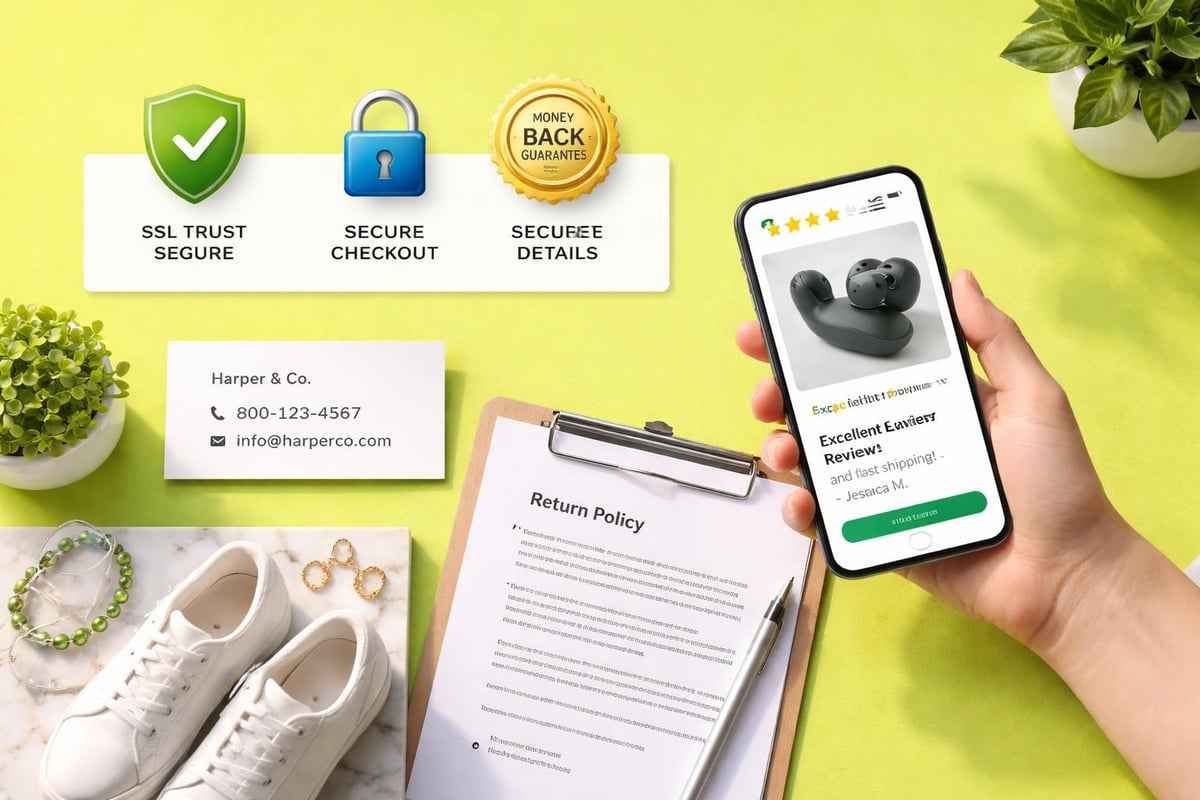
First-time visitors need reassurance before they'll commit to a purchase from an unfamiliar brand. Trust signals reduce friction and objections throughout the buying journey.
Trust ElementPurposeImplementationSSL CertificateSecure transactionsEnabled by default on ShopifyContact InformationDemonstrate legitimacyFooter, contact page, about pagePrivacy PolicyLegal complianceShopify policy generatorReturn PolicyReduce purchase anxietyClear, accessible pagePayment IconsShow accepted methodsTheme customisation
Your product photography quality cannot be overstated. Invest in professional images that show products from multiple angles, in use, and with clear detail shots. If professional photography isn't immediately feasible, ensure consistent lighting and backgrounds for a cohesive brand presentation.
Create Compelling Product Listings That Convert
Your product pages serve as your sales team, working around the clock to persuade visitors. How to get your first sale on Shopify often depends on how effectively these pages communicate value.
Write Benefit-Driven Product Descriptions
Features tell, but benefits sell. Your descriptions should focus on how the product improves the customer's life, not just what it contains.
Effective product descriptions include:
- A compelling headline that captures attention
- Key benefits stated early and clearly
- Supporting features with context
- Specific use cases or scenarios
- Clear sizing, materials, or technical specifications
- Answers to common objections or questions
Avoid generic manufacturer descriptions copied from suppliers. These duplicate content issues harm your SEO and fail to differentiate your brand. Instead, craft unique descriptions that reflect your brand voice and speak directly to your target customer's needs.
Optimise for Search Visibility
Even before you invest in paid advertising, search engine optimisation lays the foundation for sustainable organic traffic. Product titles, descriptions, and meta information should incorporate relevant keywords naturally.
Research shows that proper SEO implementation can significantly accelerate your path to initial sales by ensuring your products appear when potential customers search for solutions. Focus on long-tail keywords that indicate purchase intent, such as "organic cotton baby blankets UK" rather than just "baby blankets."
Many brands benefit from working with specialists who understand Shopify SEO to establish proper foundations from launch, avoiding costly restructuring later.
Generate Your First Wave of Traffic
With your store optimised for conversion, you need qualified visitors. How to get your first sale on Shopify depends heavily on your traffic generation strategy.
Leverage Your Existing Networks First
Your immediate network provides the fastest path to validation. These warm audiences already trust you, reducing the barriers to that crucial first transaction.
Start with these accessible channels:
- Personal social media accounts with authentic storytelling
- Email to friends, family, and professional contacts
- Relevant Facebook groups where your audience congregates
- LinkedIn connections if selling B2B products
- Local community groups and forums
When reaching out to your network, avoid being overly salesy. Share your entrepreneurial journey, explain what makes your products unique, and offer a special founder's discount to early supporters. Research indicates that most successful Shopify stores secure their first 5-10 sales through personal networks before scaling to paid channels.
Deploy Strategic Social Media Marketing
Social media provides both organic reach and paid advertising opportunities. Choose platforms where your target audience actively spends time.
Platform-specific approaches:
PlatformBest ForContent StrategyInstagramVisual products, lifestyle brandsHigh-quality imagery, stories, reelsTikTokYounger demographics, trending productsAuthentic, entertaining short videosFacebookBroad demographics, community buildingGroups, ads, detailed product postsPinterestHome décor, fashion, craftsInspirational product pins, collections
Consistency matters more than frequency. Posting three times weekly with genuine engagement outperforms daily automated posts with no interaction. Respond to comments, ask questions, and build relationships rather than simply broadcasting product promotions.

Implement Conversion-Focused Marketing Tactics
Traffic alone doesn't guarantee sales. Strategic marketing tactics bridge the gap between visitors and customers.
Create Urgency With Limited-Time Offers
Launch promotions create compelling reasons for immediate action. A well-structured introductory offer can transform browsers into buyers.
Effective launch promotion elements include:
- Specific time constraints (72 hours, not "limited time")
- Percentage or fixed-amount discounts (15% off or £10 off)
- Free shipping thresholds to increase average order value
- Exclusive early-bird pricing for email subscribers
- Bundle deals that demonstrate value
Display countdown timers prominently on your homepage and product pages. Tools like Shopify's native discount codes or apps like Countdown Timer can create visual urgency without being manipulative.
Build an Email List From Day One
Email marketing consistently delivers the highest ROI of any digital marketing channel. Research demonstrates that email drives significantly more conversions than social media for eCommerce brands.
Start collecting emails immediately through:
- Homepage pop-up offering a discount code
- Exit-intent pop-ups targeting abandoning visitors
- Social media bio links to newsletter signup
- Content upgrades like buying guides or size charts
- Post-purchase follow-up sequences
Your welcome email sequence should deliver immediate value (the promised discount), introduce your brand story, highlight bestsellers, and build anticipation for new releases. Automation ensures every subscriber receives this nurturing regardless of when they join.
Leverage Social Proof and Reviews
New stores face a chicken-and-egg problem: customers want to see reviews before buying, but you need sales to get reviews. Break this cycle strategically.
Consider these approaches:
- Offer your first 10 customers an incentive for leaving detailed reviews
- Feature user-generated content from beta testers or friends
- Display press mentions or blogger coverage prominently
- Showcase your founder story to build personal connection
- Highlight guarantees, certifications, or quality standards
Apps like Loox or Judge.me make review collection and display seamless. Even a handful of genuine five-star reviews can dramatically improve conversion rates for subsequent visitors. If you're starting a Shopify store in a competitive niche, social proof becomes even more critical to differentiation.
Run Targeted Paid Advertising Campaigns
While organic methods provide sustainable growth, paid advertising can accelerate your path to that first sale when executed strategically.
Start With Facebook and Instagram Ads
Meta's advertising platform offers sophisticated targeting capabilities and relatively low minimum budgets, making it accessible for new brands.
Your first campaigns should focus on testing and learning rather than scaling:
- Set a modest daily budget (£10-20) initially
- Create multiple ad variations to test messaging
- Target specific interest-based audiences
- Use high-quality visual content that stops scrolling
- Include clear calls-to-action and value propositions
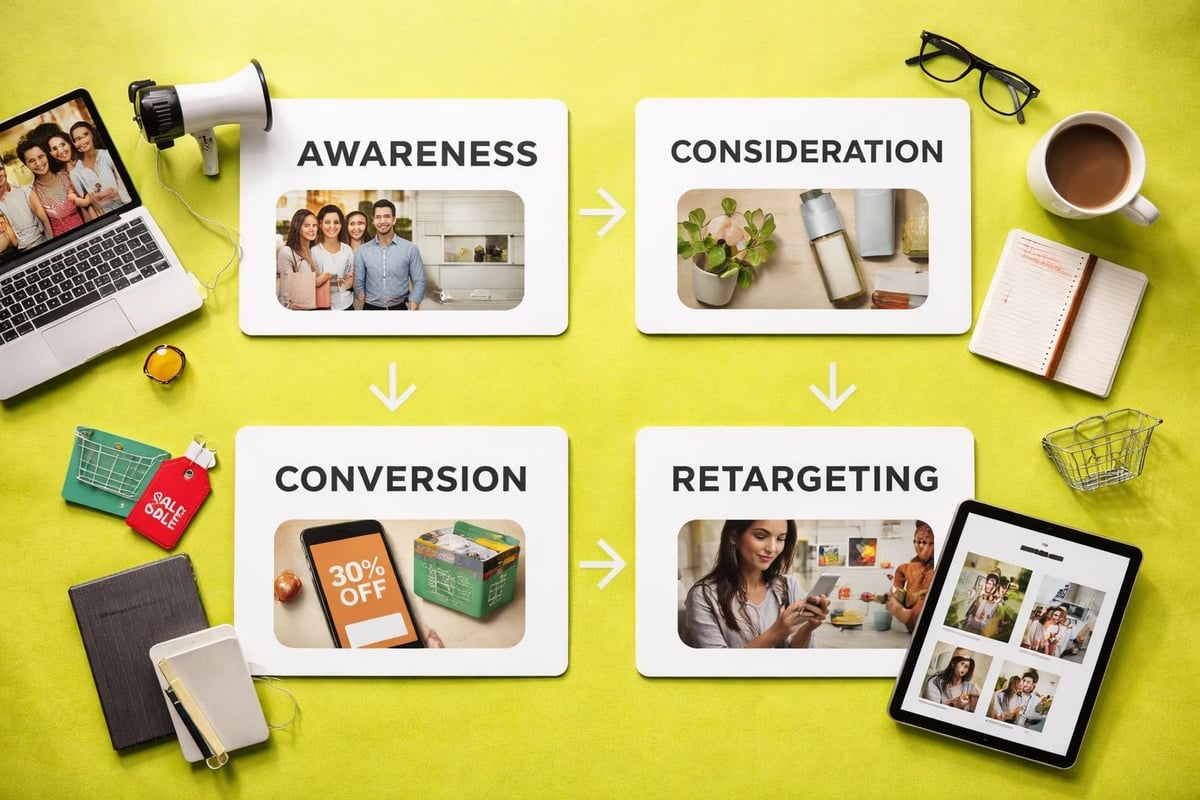
Campaign structure for beginners:
- Awareness campaign targeting cold audiences
- Consideration campaign with product benefits
- Conversion campaign with special offer
- Retargeting campaign for site visitors
Track your cost per click and cost per purchase meticulously. Many new store owners waste budgets on broad audiences or weak creative. Detailed strategies suggest starting with lookalike audiences once you have some initial customer data.
Consider Google Shopping for Product-Led Searches
If your products solve specific problems that people actively search for, Google Shopping can deliver high-intent traffic immediately.
Google Shopping advantages include:
- Capturing customers actively searching for products
- Visual product displays in search results
- Pay-per-click model controlling costs
- Detailed performance data for optimisation
Set up your Google Merchant Center account, connect your Shopify product feed, and create Smart Shopping campaigns. These automated campaigns use machine learning to optimise bidding and placement across Google's network. Start with your bestselling or highest-margin products to maximise ROI whilst you're learning the platform.
Refine Your Checkout Experience
Cart abandonment averages 70% across eCommerce, meaning most visitors who add products never complete purchase. Optimising this critical stage dramatically impacts how to get your first sale on Shopify.
Streamline the Purchase Process
Every additional step in checkout increases abandonment. Shopify's native checkout performs well, but configuration choices matter.
Optimisation priorities include:
- Enable Shopify's accelerated checkout options (Shop Pay, Apple Pay, Google Pay)
- Offer guest checkout without forced account creation
- Display shipping costs early to avoid surprise abandonment
- Show security badges and trust signals prominently
- Provide multiple payment methods including PayPal
- Use progress indicators for multi-step checkouts
If you're on Shopify Plus, customising your checkout page offers additional opportunities for conversion optimisation through custom fields, upsells, and branding enhancements.
Implement Cart Recovery Strategies
Not all abandoned carts represent lost sales. Automated recovery sequences can reclaim 10-15% of abandoned purchases.
Recovery TacticTimingConversion RateFirst email reminder1 hour after abandonment4-6%Second email with social proof24 hours later2-3%Final email with discount48 hours later3-5%
Shopify's built-in abandoned cart emails require no additional apps for basic functionality. Customise these emails with your branding, include product images, and craft compelling subject lines that encourage reopening. Proven tactics suggest combining urgency (stock levels) with reassurance (easy returns) in recovery messaging.
Focus on Post-Launch Iteration and Improvement
Your first sale represents the beginning, not the endpoint. Successful Shopify stores continuously refine their approach based on data and customer feedback.
Analyse Your Store Analytics
Shopify's built-in analytics reveal exactly where visitors drop off and which marketing channels drive results. Review these metrics weekly during your launch phase.
Critical metrics to monitor:
- Traffic sources and their respective conversion rates
- Most viewed products versus bestsellers
- Average time on site and bounce rates
- Shopping cart abandonment points
- Mobile versus desktop performance
Google Analytics provides deeper insights when connected to your Shopify store. Set up eCommerce tracking, configure goals for key actions, and create custom dashboards highlighting your priority metrics. This data-driven approach ensures you're investing time and money in tactics that actually drive sales rather than vanity metrics.
Gather and Implement Customer Feedback
Your early customers provide invaluable insights about their experience. Actively solicit feedback through post-purchase emails, surveys, or simple check-in messages.
Ask specific questions about:
- What nearly prevented them from completing purchase
- How they discovered your store
- What alternative products they considered
- What additional products they'd like to see
- How their purchase experience could improve
This qualitative data complements your quantitative analytics, revealing the "why" behind the numbers. Many successful store owners report that implementing customer suggestions directly led to their breakthrough sales growth.
Build Momentum Beyond Your First Sale
Once you've secured that initial transaction, maintaining momentum requires systematic approaches to customer acquisition and retention.
Create a Content Marketing Engine
Content marketing builds organic traffic, establishes authority, and supports SEO efforts simultaneously. Blog posts, buying guides, and how-to content attract potential customers throughout their research journey.
Effective content topics include:
- Product comparison guides
- Industry trend analysis
- How-to tutorials using your products
- Behind-the-scenes brand stories
- Customer success stories and case studies
Publishing consistently (weekly is ideal, fortnightly is acceptable) signals search engines that your site remains active and relevant. Each piece should target specific long-tail keywords whilst providing genuine value. Strategic content approaches emphasise solving customer problems rather than simply promoting products.
When considering working with a Shopify web development agency, look for partners who understand content strategy alongside technical implementation.
Develop a Customer Retention Strategy
Acquiring new customers costs five times more than retaining existing ones. Your first customer should become your second sale's easiest conversion.
Retention tactics include:
- Thank-you emails with personalised product recommendations
- Exclusive loyalty discounts for repeat purchases
- Early access to new product launches
- Educational content about product care and usage
- Referral programs incentivising word-of-mouth
Segment your email list based on purchase behaviour, allowing targeted messaging that feels relevant rather than generic. A customer who bought skincare products wants different follow-up content than someone who purchased homeware. Understanding realistic timelines for customer lifecycle helps set appropriate expectations and retention strategies.
Address Common First-Sale Obstacles
Even with optimised stores and marketing, specific barriers commonly prevent new Shopify stores from converting visitors.
Pricing Strategy and Perceived Value
Underpricing rarely solves conversion problems and often signals low quality to potential customers. Your pricing should reflect your brand positioning, product quality, and target market expectations.
Strategic pricing considerations:
ApproachBest ForImplementationPremium PricingUnique, high-quality productsEmphasise craftsmanship, materials, exclusivityCompetitive PricingCommodity productsHighlight service, speed, guaranteesValue BundlesRelated product linesCreate packages with compelling savingsTiered OptionsVarying customer budgetsGood, better, best product ranges
Test different price points with small audiences before committing to store-wide pricing. Some products convert better at higher prices with improved positioning, whilst others require competitive rates to overcome market resistance.
Traffic Quality Over Quantity
One hundred highly targeted visitors convert better than one thousand random browsers. Focus your marketing efforts on channels and audiences genuinely interested in your product category.
Evaluate traffic sources by:
- Bounce rate (lower indicates better relevance)
- Pages per session (higher shows engagement)
- Average session duration (longer suggests interest)
- Conversion rate (the ultimate measure)
If social media drives high traffic but zero sales, your audience targeting or messaging likely misaligns with your actual customer profile. Refine your ideal customer avatar and adjust marketing accordingly. Expert analysis suggests most stores see their first sale within 2-4 weeks when traffic quality matches product offering.
Build Brand Recognition in Competitive Markets
Standing out in saturated niches requires differentiation beyond product features. Your brand story, values, and personality create emotional connections that pure functionality cannot.
Differentiation strategies include:
- Emphasising sustainable or ethical production methods
- Highlighting local UK manufacturing or sourcing
- Showcasing founder expertise or passion
- Supporting relevant charitable causes
- Creating distinctive visual branding and packaging
- Offering exceptional customer service as a competitive advantage
The importance of brand-led web design extends beyond aesthetics to creating cohesive customer experiences that build trust and loyalty from first impression through post-purchase.
Achieving your first sale on Shopify requires combining technical optimisation, strategic marketing, and continuous refinement based on data and feedback. The strategies outlined above provide a comprehensive roadmap, but successful implementation often benefits from expert guidance tailored to your specific products, market, and goals. Futur Media specialises in building conversion-focused Shopify stores for ambitious UK brands, combining strategic design, technical development, and growth-oriented digital marketing to transform new launches into thriving eCommerce businesses.



.svg)