
.svg)



.webp)


%201.avif)
Building an online store has never been more accessible, yet turning that store into a thriving business demands strategic planning, technical expertise, and relentless optimisation. Understanding how to build a successful Shopify store requires more than selecting a template and uploading products. It demands a comprehensive approach that balances design, functionality, marketing, and customer experience. UK brands face particular challenges navigating competitive markets, evolving consumer expectations, and technical complexities that can make or break conversion rates. This guide explores the proven strategies, essential decisions, and practical steps that transform basic Shopify setups into high-performing eCommerce operations.
Laying the Foundation: Strategy Before Setup
Before diving into themes and apps, successful Shopify stores begin with clarity. If you're unsure what to prioritise first, Shopify consulting can map the highest-impact moves before you build. Your business model, target audience, and competitive positioning should dictate every technical and design decision that follows.
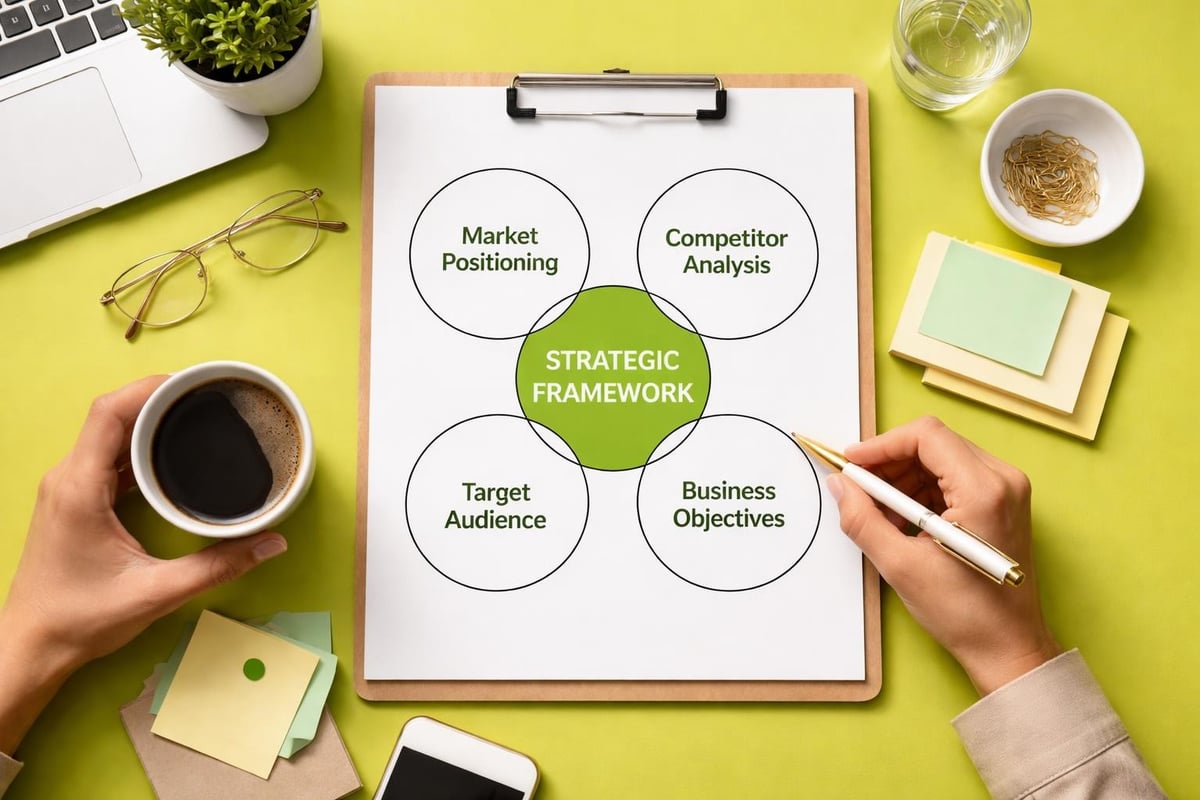
Define Your Market Position
Start by identifying precisely who you serve and what makes your offering distinct. Generic positioning dilutes marketing efforts and confuses potential customers. Conduct thorough competitor analysis to understand pricing strategies, product ranges, and messaging approaches already established in your niche.
Key strategic questions include:
- What specific problem does your product solve for customers?
- Which demographic segments show highest purchase intent?
- How will you differentiate from established competitors?
- What price points align with your brand positioning and target market?
Market research tools provide valuable insights, but direct customer conversations often reveal opportunities competitors miss. When you understand precisely how to build a successful Shopify store for your specific audience, technical execution becomes significantly clearer.
Establish Clear Business Objectives
Vague goals produce mediocre results. Define specific, measurable targets for your first 12 months that guide resource allocation and priority decisions.
Objective TypeExample MetricTarget RangeRevenueMonthly sales£5,000-£50,000TrafficMonthly visitors2,000-20,000ConversionSite conversion rate1.5%-3.5%Customer valueAverage order value£45-£150
These benchmarks vary dramatically by industry and business model. Fashion and beauty typically see different patterns than homeware or technology products. Establishing baseline expectations prevents unrealistic disappointment whilst providing clear performance indicators.
Choosing the Right Plan and Technical Setup
Shopify offers multiple pricing tiers, each suited to different business stages and requirements. Understanding which plan delivers optimal value requires analysing transaction volumes, required features, and growth projections.
Select Your Shopify Plan Strategically
Basic Shopify suits most new stores launching with limited product catalogues. The mid-tier plan becomes valuable when international selling and professional reporting justify the additional cost. Advanced plans make sense for high-volume stores where reduced transaction fees offset higher monthly costs.
Calculate your break-even point:
- Estimate monthly transaction volume
- Compare transaction fees across plans
- Factor in required features unavailable on lower tiers
- Project 6-12 month growth trajectory
Many successful stores start on Basic Shopify and upgrade based on actual performance rather than projected optimism. This approach conserves capital during critical early months whilst providing clear upgrade triggers when growth warrants enhanced features.
Configure Essential Technical Elements
Technical foundations significantly impact long-term success. Domain selection, SSL certificates, and basic security measures establish credibility whilst protecting customer data.
Critical setup tasks:
- Register a memorable, brand-aligned domain name
- Configure SSL certificate (included with Shopify)
- Set up Google Analytics 4 and Meta pixel tracking
- Establish backup and version control processes
- Configure proper timezone and currency settings
These foundational elements seem mundane but prevent costly issues later. Proper analytics configuration from day one provides invaluable data for optimisation decisions as traffic grows.
Designing for Conversion and Brand Alignment
Visual design represents far more than aesthetics. Strategic design decisions directly influence conversion rates, average order values, and customer lifetime value. Learning how to build a successful Shopify store means understanding design as a commercial tool, not merely creative expression.
Choose Themes Based on Performance, Not Preference
Shopify's theme library offers hundreds of options. Successful stores select themes based on proven conversion patterns, loading speeds, and customisation capabilities rather than subjective visual preferences.
Prioritise themes that demonstrate:
- Mobile-first responsive design
- Fast loading times (under 2 seconds)
- Clean product page layouts with prominent calls-to-action
- Built-in conversion optimisation features
- Regular updates and developer support
Premium themes justify their cost through superior code quality, better performance, and comprehensive documentation. Free themes work adequately for testing concepts but often require significant customisation for commercial success. Working with experienced Shopify web design specialists ensures your visual identity translates into measurable business results.
Theme ConsiderationImpact on SuccessEvaluation MethodPage speedHighGoogle PageSpeed InsightsMobile optimisationCriticalCross-device testingCustomisation flexibilityMediumReview available settingsSEO structureHighCheck heading hierarchy
Create Homepage That Converts
Your homepage serves multiple audiences simultaneously: first-time visitors, returning customers, and search engines. Effective homepage design balances these competing needs whilst driving visitors toward conversion actions.
Structure your homepage to answer three immediate questions:
- What do you sell? Clear headline and hero imagery
- Why should visitors care? Compelling value proposition
- What should they do next? Obvious navigation and calls-to-action
Avoid cluttered homepages stuffed with every possible product category. Strategic curation guides visitors through logical decision paths. Feature bestsellers, seasonal collections, or curated selections that showcase your range whilst preventing choice paralysis.

Building Product Pages That Sell
Product pages carry the heaviest conversion responsibility in your entire store. These pages must inform, persuade, and remove objections whilst providing seamless paths to purchase.
Optimise Product Photography and Media
Professional product imagery isn't optional for competitive markets. Customers cannot touch, feel, or try products online, making visual representation absolutely critical for purchase confidence.
Effective product media includes:
- High-resolution images showing multiple angles
- Lifestyle photography demonstrating products in context
- Detailed close-ups highlighting quality and features
- Size comparison images for scale reference
- Video demonstrations where applicable
Consistency matters enormously. Establish photography standards that maintain visual coherence across your entire catalogue. Optimising images properly improves page loading speeds whilst maintaining quality.
Write Compelling Product Descriptions
Generic manufacturer descriptions do nothing to differentiate your store or convince hesitant buyers. Strategic product copy addresses specific customer questions, highlights relevant benefits, and incorporates search-optimised keywords naturally.
Effective descriptions should:
- Lead with primary customer benefit
- Detail key features and specifications
- Address common questions and objections
- Include relevant sizing or compatibility information
- Incorporate natural keyword variations
Avoid industry jargon unless targeting professional buyers who expect technical language. Write for your specific audience, using the vocabulary they use when searching for solutions.
Implementing Strategic SEO Foundations
Organic search represents the most cost-effective long-term traffic source for eCommerce stores. Understanding how to build a successful Shopify store includes embedding SEO best practices from launch rather than retrofitting them later.
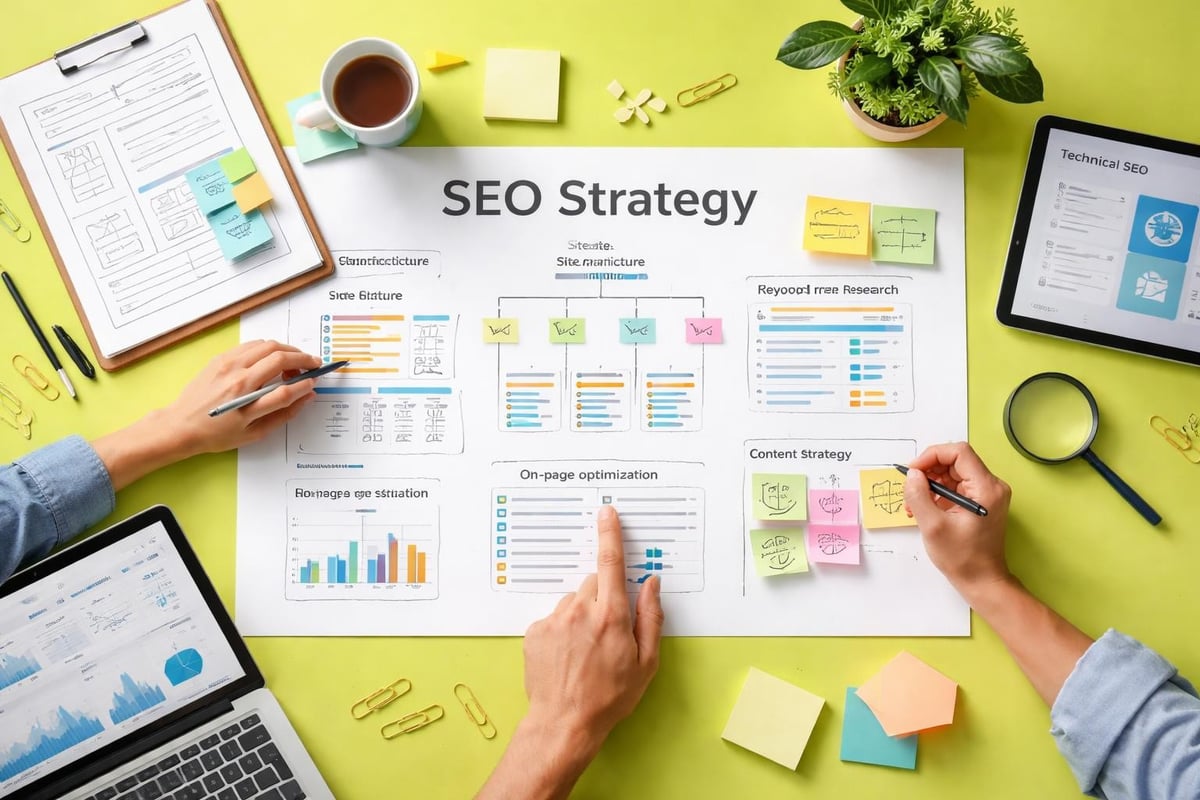
Structure Your Site Architecture Logically
Clear, logical site structure helps both customers and search engines navigate your store efficiently. Poor information architecture frustrates users whilst limiting search visibility.
Organise collections hierarchically:
- Top-level categories: Broad product groupings
- Sub-collections: Specific product types within categories
- Product tags: Cross-category attributes like colour, material, or size
This structure creates intuitive navigation whilst generating SEO-valuable internal linking patterns. Proper site architecture distributes authority throughout your store, helping individual product pages rank competitively.
Optimise Core SEO Elements
Every page contains specific elements that communicate relevance to search engines. Systematic optimisation of these elements compounds over time as your content library grows.
SEO ElementCharacter LimitOptimisation PriorityTitle tags50-60 charactersCriticalMeta descriptions140-155 charactersHighH1 headings20-70 charactersCriticalURL slugs3-5 wordsHighImage alt text125 charactersMedium
Shopify provides excellent SEO capabilities by default, but knowing how to leverage them separates successful stores from struggling competitors. Title tags should incorporate target keywords naturally whilst remaining compelling to human readers.
Selecting and Configuring Essential Apps
Shopify's app ecosystem extends platform capabilities dramatically, but app bloat degrades performance and complicates management. Strategic app selection balances functionality gains against potential performance costs.
Install Only Performance-Justified Apps
Every app adds code to your store, potentially slowing page loads and creating technical dependencies. Successful stores regularly audit installed apps, removing those providing insufficient value relative to their performance impact.
Essential app categories include:
- Email marketing and automation
- Customer reviews and social proof
- Inventory management and fulfilment
- Analytics and conversion tracking
- SEO and site performance
Research top-performing Shopify apps before installation. Read recent reviews, check update frequency, and verify compatibility with your theme and other installed apps.
Configure Apps for Maximum Impact
Installing apps represents only the first step. Proper configuration determines whether they deliver promised benefits or simply consume resources whilst providing minimal value.
Test each app thoroughly:
- Verify functionality across devices and browsers
- Monitor impact on page loading speeds
- Ensure tracking and analytics integration works correctly
- Review customer-facing elements for brand consistency
- Document login credentials and configuration settings
Many store owners install apps then neglect proper setup, missing critical optimisation opportunities. Schedule regular app audits quarterly to remove unused apps and update configurations based on evolving business needs.
Creating Effective Marketing Foundations
Understanding how to build a successful Shopify store extends well beyond the platform itself. Integrated marketing drives awareness, builds trust, and generates qualified traffic that converts into revenue.
Develop Multi-Channel Marketing Strategy
Relying on single traffic sources creates dangerous vulnerability. Diversified marketing distributes risk whilst reaching customers across multiple touchpoints throughout their buying journey.
Priority marketing channels for new stores:
- Organic search: Long-term sustainable traffic through SEO
- Email marketing: Highest ROI channel for customer retention
- Social media: Brand building and community engagement
- Paid advertising: Immediate traffic and testing capability
- Content marketing: Authority building and organic discovery
Resource constraints force prioritisation. Start with channels offering quickest returns whilst building foundations for long-term growth channels. Email marketing delivers immediate value whilst SEO requires months before generating significant traffic.
Build Email List From Day One
Your email list represents your most valuable marketing asset. Unlike social media followers or search rankings, you directly control access to subscribers who've explicitly granted permission to market to them.
Implement strategic list-building tactics:
- Exit-intent popups offering first-purchase discounts
- Content upgrades providing valuable resources
- Post-purchase welcome sequences building relationships
- Birthday and anniversary campaigns with exclusive offers
- Abandoned cart recovery sequences
Effective email marketing generates 20-40% of revenue for mature eCommerce stores. Building this channel from launch compounds returns over time as your subscriber base grows.
Optimising Checkout and Reducing Friction
Cart abandonment typically ranges from 60-80% across eCommerce stores. Every friction point removed from your checkout process directly improves conversion rates and revenue.
Streamline the Purchase Path
Customers who've decided to purchase should encounter minimal obstacles completing transactions. Complex checkout processes, unexpected costs, or confusing navigation destroy conversions after customers have already decided to buy.
Reduce checkout friction by:
- Offering guest checkout: Don't force account creation
- Displaying total costs early: Include shipping and taxes upfront
- Providing multiple payment options: Cards, digital wallets, buy-now-pay-later
- Minimising form fields: Request only essential information
- Showing clear progress indicators: Help customers understand remaining steps
Shopify's native checkout performs well by default, but customisation opportunities exist for Shopify Plus stores. Checkout page optimisation represents one of the highest-impact improvements available.
Build Trust Throughout the Journey
Security concerns prevent purchases more often than price objections. Strategic trust-building removes psychological barriers preventing conversions.
Trust ElementImplementation MethodImpact LevelSSL certificateEnabled by defaultEssentialCustomer reviewsThird-party review appsHighSecurity badgesDisplay payment logosMediumClear return policyDedicated policy pageHighContact informationVisible phone/emailMedium
Transparent policies, professional presentation, and social proof combine to establish credibility. Building trust particularly matters for new stores lacking established reputations.
Testing, Measuring, and Iterating
Launch represents the beginning of optimisation, not its conclusion. Successful stores embrace continuous improvement through systematic testing and data-driven decision making.
Implement Comprehensive Analytics Tracking
You cannot optimise what you don't measure. Proper analytics configuration provides visibility into customer behaviour, traffic sources, and conversion patterns that inform strategic decisions.
Essential metrics to monitor:
- Traffic volume and sources
- Conversion rate by traffic source
- Average order value
- Customer acquisition cost
- Customer lifetime value
- Cart abandonment rate
- Page load speeds
Google Analytics 4 provides robust free analytics, whilst Shopify's native analytics offer eCommerce-specific insights. Cross-reference multiple data sources to verify accuracy and identify discrepancies requiring investigation.
Conduct Systematic A/B Testing
Opinions about what works often diverge sharply from actual customer behaviour. A/B testing removes guesswork, replacing assumptions with evidence-based insights.
Test systematically:
- Identify underperforming pages or conversion points
- Develop hypothesis about potential improvements
- Create variation implementing proposed change
- Split traffic between control and variation
- Analyse results for statistical significance
- Implement winning variations permanently
Start with high-impact, low-effort tests like button colours, headline copy, or call-to-action placement. As testing sophistication grows, tackle more complex variations involving page layouts, pricing strategies, or product bundling approaches.
Scaling Operations and Planning Growth
Early success creates new challenges around inventory management, customer service capacity, and operational efficiency. How to build a successful Shopify store at scale requires different capabilities than launching initial operations.
Automate Repetitive Processes
Manual processes that work adequately for 10 orders daily become untenable at 100 orders daily. Strategic automation frees time for high-value activities whilst improving consistency and reducing errors.
Automation opportunities include:
- Order confirmation and shipping notification emails
- Inventory level alerts and reordering triggers
- Customer service responses to common questions
- Social media posting and content distribution
- Financial reporting and bookkeeping integration
Shopify Flow enables sophisticated automation for Plus stores, whilst apps provide automation capabilities on lower-tier plans. Invest time upfront building robust automations that compound efficiency gains over months and years.
Plan International Expansion Strategically
Geographic expansion multiplies market opportunities but introduces complexity around shipping, pricing, and localisation. Successful international strategies balance growth ambitions against operational capabilities.
Consider before expanding internationally:
- Shipping costs and delivery timeframes to target markets
- Currency conversion and localised pricing strategies
- Language translation requirements and cultural adaptation
- Legal compliance and tax registration obligations
- Customer service capabilities across timezones
Start with markets sharing language and similar regulatory environments. UK stores often expand to Ireland, Australia, or North America before tackling non-English markets requiring extensive localisation.
Building Long-Term Customer Relationships
Acquiring new customers costs 5-25 times more than retaining existing customers. Successful stores prioritise customer lifetime value through strategic retention programmes and exceptional service.
Implement Customer Loyalty Programmes
Repeat customers spend more, buy more frequently, and refer new customers. Loyalty programmes formalise retention efforts whilst providing frameworks for rewarding valuable customer behaviours.
Effective loyalty structures reward:
- Repeat purchases with points or discounts
- Social media follows and engagement
- Product reviews and referrals
- Birthday and anniversary milestones
- Early access to new products or sales
Choose loyalty programme structures aligned with your business model and customer preferences. Points-based systems work well for frequent, lower-value purchases, whilst tiered VIP programmes suit higher-value, less-frequent transactions.
Deliver Exceptional Customer Service
Service quality differentiates successful stores in commoditised markets where product and pricing similarities leave little competitive distinction. Responsive, helpful, friendly service builds loyalty that transcends price competition.
Service excellence fundamentals:
- Respond to enquiries within 24 hours maximum
- Empower team members to resolve issues independently
- Follow up proactively on potential problems
- Exceed expectations occasionally with unexpected gestures
- Solicit and act on customer feedback systematically
Creating exceptional experiences converts one-time buyers into lifetime advocates. Word-of-mouth recommendations from delighted customers provide the most cost-effective marketing available.
Avoiding Common Pitfalls and Mistakes
Learning from others' mistakes accelerates progress whilst avoiding costly errors. Understanding common failure patterns helps new store owners navigate challenges more successfully.
Don't Neglect Mobile Experience
Over 70% of eCommerce traffic originates from mobile devices, yet many stores prioritise desktop experiences during development. Mobile-first design thinking ensures optimal experiences for your largest visitor segment.
Test thoroughly on actual devices:
- Navigation usability with touch interfaces
- Form completion on small screens
- Image loading and quality across connections
- Checkout flow on mobile browsers
- Page loading speeds on 4G connections
Desktop testing alone misses critical mobile usability issues that destroy conversion rates for majority traffic sources.
Avoid Feature Bloat and Complexity
Adding features, products, and options seems like obvious growth strategy, but excessive complexity confuses customers and dilutes brand positioning. Strategic focus often delivers better results than unlimited choice.
Successful stores regularly audit:
- Product catalogue for underperforming SKUs
- App installations for unused functionality
- Navigation structure for unnecessary complexity
- Checkout fields for optional information
- Marketing channels for inefficient spend
Subtraction creates value as frequently as addition. Removing friction points and simplifying decisions often improves performance more than adding new features.
Building a thriving Shopify store demands strategic thinking, technical expertise, and relentless optimisation across design, marketing, and customer experience. Success comes from understanding your market, implementing proven best practices, and continuously improving based on real customer data. If you're ready to launch or optimise your eCommerce operation, Futur Media combines Shopify expertise with conversion-focused design to build stores that deliver measurable results for ambitious UK brands.



.svg)