
.svg)






%201.avif)
The landscape of online retail has shifted dramatically, and modern ecommerce website design has become the cornerstone of digital success. British brands investing in their online presence face heightened customer expectations, with shoppers demanding seamless experiences across every device and touchpoint. The difference between a store that converts and one that struggles often comes down to how well design principles are executed. Today's successful ecommerce websites combine strategic visual design, technical performance, and user-centric functionality to create shopping experiences that drive measurable results.
The Core Principles Driving Modern Ecommerce Design
Modern ecommerce website design centres on creating frictionless shopping journeys that guide visitors from discovery to purchase with minimal obstacles. This approach requires balancing aesthetic appeal with practical functionality.
Mobile-First Architecture
Over 70% of ecommerce traffic now originates from mobile devices, making responsive design non-negotiable. A mobile-first approach means designing for smaller screens initially, then scaling up to desktop rather than the reverse.
Key mobile considerations include:
- Touch-friendly navigation with appropriately sized tap targets
- Simplified checkout flows optimised for thumb-based interaction
- Progressive disclosure that reveals information as needed
- Fast-loading images that adapt to connection speeds
The investment in mobile optimisation directly impacts revenue. Research from IBM's ecommerce report demonstrates that mobile-optimised stores achieve conversion rates up to 160% higher than their non-optimised counterparts.
Performance as a Design Priority
Speed has evolved from a technical consideration to a fundamental design principle. Modern ecommerce website design integrates performance thinking from the earliest stages, with designers and developers collaborating to create experiences that load instantly.
Performance MetricTarget BenchmarkImpact on ConversionsLargest Contentful PaintUnder 2.5 seconds32% improvementFirst Input DelayUnder 100ms24% improvementCumulative Layout ShiftUnder 0.118% improvement
Following Google's performance best practices ensures your store meets these benchmarks. Optimised images, efficient code, and strategic lazy loading combine to create experiences that feel immediate rather than sluggish.

Strategic Navigation and Information Architecture
Navigation structures in modern ecommerce website design serve dual purposes: helping customers find products quickly whilst reducing cognitive load throughout the browsing experience.
Mega Menus and Contextual Discovery
Sophisticated mega menus reveal product categories, subcategories, and promotional content in organized grids that make sense visually. Rather than forcing users through multiple clicks, well-designed mega menus present the full catalogue structure at a glance.
Effective mega menu design incorporates:
- Visual hierarchy through typography and spacing
- Featured product imagery within menu panels
- Quick links to popular categories and seasonal collections
- Search functionality embedded within the navigation bar
- Clear pathways to account management and basket
For brands working with Shopify web design specialists, these navigation patterns can be customised to reflect unique product structures and customer journeys.
Intelligent Search and Filtering
Product discovery extends beyond navigation menus. Modern search functionality predicts intent, corrects typos, and surfaces relevant products even when query terms don't perfectly match product titles.
Advanced filtering capabilities include:
- Multi-select faceted search across attributes
- Visual filters using colour swatches and style preferences
- Price range sliders with real-time result updates
- Sort options that reflect customer priorities
The combination of smart search and granular filtering reduces the time from landing to product page, directly supporting conversion improvements.
Product Pages That Convert Browsers into Buyers
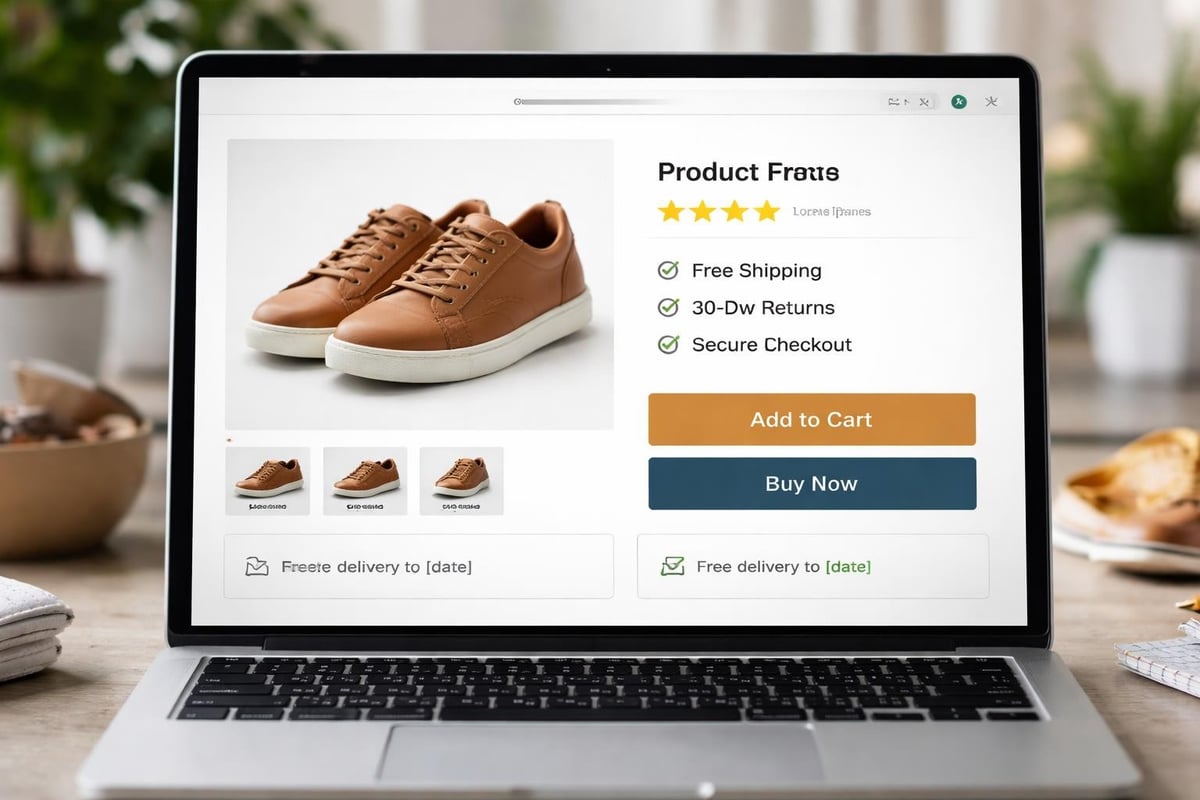
Product pages represent the critical conversion point where design choices translate directly into revenue. Modern ecommerce website design treats these pages as comprehensive sales tools rather than simple catalogues.
Visual Merchandising and Imagery
Product photography has evolved beyond basic product shots. Successful stores now employ multiple image types:
- High-resolution detail shots with zoom functionality
- Lifestyle imagery showing products in context
- 360-degree rotational views for complex items
- Video demonstrations explaining features and benefits
- User-generated content showcasing real customer experiences
Image TypePurposeConversion ImpactHero Product ShotFirst impression, brand qualityBaselineDetail ZoomBuild confidence, reduce returns+18%Lifestyle ContextEmotional connection, aspiration+24%Customer PhotosSocial proof, authenticity+31%
Persuasive Product Information
Compelling product descriptions balance technical specifications with benefit-driven copy. Modern approaches segment information into scannable sections:
- Above-the-fold summary capturing key benefits
- Detailed specifications in expandable sections
- Size guides and fit information reducing purchase anxiety
- Sustainability credentials appealing to conscious consumers
- Care instructions supporting long-term satisfaction
Trust signals positioned strategically throughout product pages reinforce purchase confidence. These include delivery guarantees, return policies, security badges, and customer review aggregations.
Checkout Optimisation and Conversion Flow
Cart abandonment remains a significant challenge, with average rates hovering around 70%. Modern ecommerce website design addresses this through streamlined checkout experiences that remove unnecessary friction.
Simplified Checkout Processes
The trend towards guest checkout options acknowledges that forced account creation presents a significant barrier. Progressive customer relationships begin with easy first purchases, with account creation offered as a post-purchase benefit.
Checkout best practices include:
- Single-page checkout where possible
- Clear progress indicators for multi-step flows
- Persistent basket summaries visible throughout checkout
- Multiple payment options including digital wallets
- Transparent delivery costs calculated early
Trust and Security Reinforcement
Security concerns persist as a major abandonment factor. Visible trust signals throughout the checkout process reassure customers that their information remains protected.
Payment security indicators, SSL certificates, and recognizable payment provider logos should appear consistently. Clear privacy policies and data usage explanations build confidence, particularly for first-time visitors.
Accessibility and Inclusive Design Standards
Modern ecommerce website design embraces accessibility as both ethical imperative and business opportunity. The Web Content Accessibility Guidelines (WCAG) provide frameworks ensuring stores serve all customers effectively.
Practical Accessibility Implementation
Accessible design benefits everyone, not just users with disabilities. Proper heading hierarchies improve navigation for screen readers whilst simultaneously supporting SEO. Sufficient colour contrast ensures readability across lighting conditions and devices.
Key accessibility considerations:
- Keyboard navigation support for all interactive elements
- Alternative text for images providing context
- Form labels clearly associated with input fields
- Focus indicators showing current navigation position
- Captions and transcripts for video content
Many Shopify migrations present opportunities to rebuild stores with accessibility prioritised from the foundation, addressing historical issues whilst implementing modern standards.
Personalisation and Dynamic Content Strategies
Tailoring experiences to individual customer preferences represents a significant competitive advantage. Modern ecommerce website design incorporates personalisation engines that adapt content based on behaviour, preferences, and purchase history.
Behavioural Personalisation Techniques
Dynamic content modules adjust recommendations, messaging, and product displays according to browsing patterns:
- Recently viewed items facilitating easy return to considered products
- Complementary product suggestions increasing average order values
- Personalised homepage banners reflecting individual interests
- Location-based content showing relevant shipping and currency information
- Returning customer recognition with tailored messaging
Personalisation TypeImplementation ComplexityRevenue ImpactRecent ProductsLow+8% AOVBehavioral RecommendationsMedium+15% AOVPredictive PersonalizationHigh+28% AOV
These sophisticated features often require Shopify development expertise to implement properly, ensuring seamless integration with existing store infrastructure.
Content Strategy and Editorial Design
Content marketing has become integral to modern ecommerce website design, with editorial content supporting discovery, engagement, and brand building beyond transactional interactions.
Strategic Content Integration
Successful stores blend commercial intent with valuable content that serves customer needs:
- Buying guides helping customers make informed decisions
- Trend reports positioning brands as industry authorities
- How-to tutorials demonstrating product applications
- Behind-the-scenes content building brand narratives
- Customer stories showcasing real-world product impact
Content shouldn't exist in isolation. Strategic internal linking between editorial content and product pages creates natural conversion pathways. For instance, understanding how to make money from Shopify requires integrating content strategy with commercial objectives.
Visual Storytelling Through Design
Modern content presentation moves beyond text-heavy layouts. Rich media integration, including video, interactive elements, and dynamic graphics, creates engaging experiences that hold attention.
Layout considerations for content areas include:
- Generous white space preventing overwhelm
- Pull quotes highlighting key insights
- Image galleries breaking up long-form content
- Embedded product recommendations within articles
- Clear calls-to-action guiding next steps
Platform Capabilities and Technical Foundations
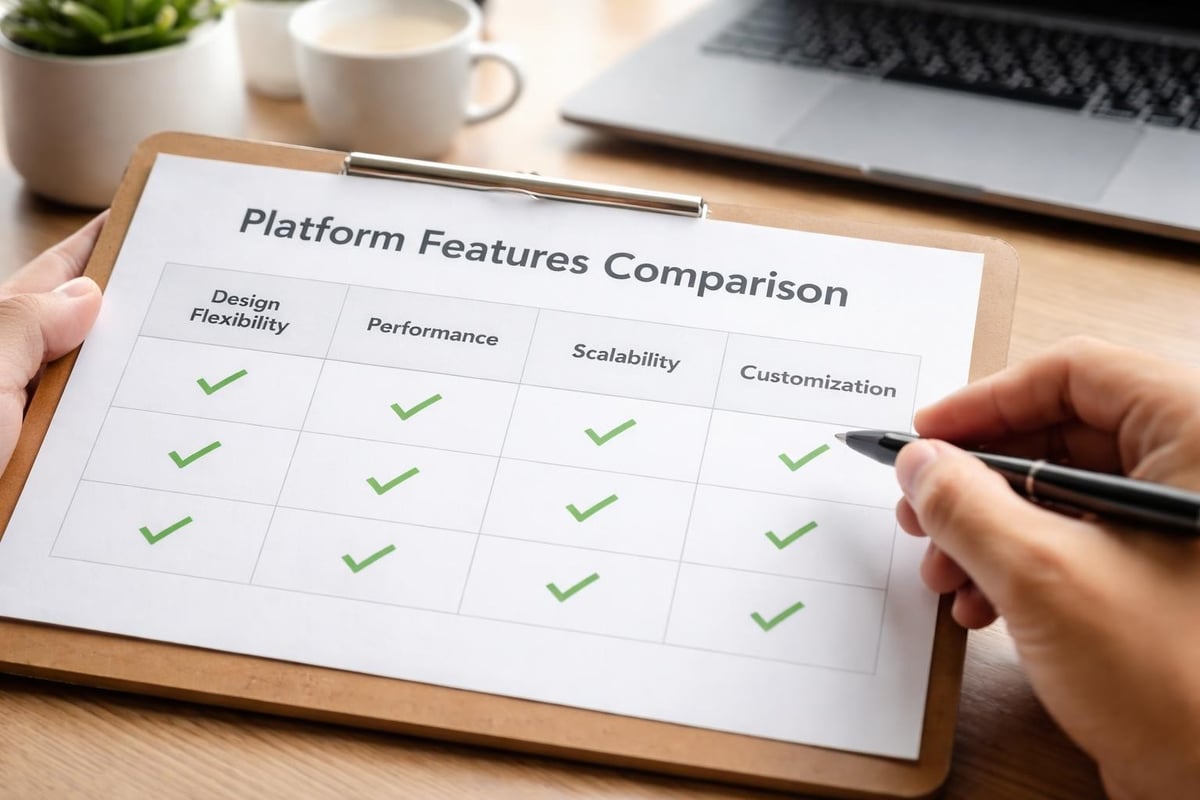
Choosing the right ecommerce platform fundamentally shapes what's achievable within modern ecommerce website design. Platform capabilities determine speed, scalability, and the sophistication of features available.
Shopify's Modern Design Advantages
Shopify has evolved into a comprehensive solution supporting ambitious design visions. The platform's architecture enables fast-loading stores whilst providing flexibility for custom functionality.
Benefits for design-focused builds include:
- Liquid templating allowing bespoke layouts
- Extensive app ecosystem extending native capabilities
- Built-in CDN ensuring global performance
- Mobile-optimised admin for on-the-go management
- Regular platform updates adding new features
Research highlighted in Forrester's ecommerce report indicates that platform choice significantly impacts time-to-market and ongoing operational efficiency.
Future-Proofing Through Progressive Enhancement
Modern ecommerce website design anticipates evolution rather than creating static experiences. Progressive enhancement ensures stores remain functional across all devices whilst delivering enhanced experiences where capabilities allow.
Emerging Technologies and Integration
Forward-thinking brands are exploring:
- Augmented reality for virtual product try-ons
- Voice commerce integration with smart assistants
- AI-powered chatbots providing instant customer service
- Headless commerce architectures separating frontend from backend
- Progressive web apps delivering app-like experiences
These technologies shouldn't be adopted simply for novelty. Each implementation should solve genuine customer problems or remove specific friction points from the journey.
Continuous Optimisation Frameworks
Launch represents the beginning rather than conclusion of the design process. Successful modern ecommerce website design incorporates ongoing testing and refinement:
- A/B testing variations of key conversion points
- Heatmap analysis revealing actual user behaviour
- Session recordings identifying friction and confusion
- Performance monitoring ensuring consistent speed
- User feedback collection informing iterations
Working with specialists in Shopify CRO ensures these optimisation processes become systematic rather than sporadic, driving measurable improvements month over month.
Brand Consistency Across Digital Touchpoints
Design extends beyond the ecommerce store itself. Modern customers interact with brands across multiple channels, and consistency across these touchpoints reinforces recognition and builds trust.
Omnichannel Design Harmony
Visual identity, messaging tone, and user experience patterns should feel cohesive whether customers encounter your brand through:
- Email marketing campaigns
- Social media presences
- Physical retail environments
- Customer service interactions
- Packaging and unboxing experiences
This consistency requires documented design systems that codify colours, typography, spacing, component patterns, and interaction behaviours. Design systems enable teams to maintain coherence even as stores scale and evolve.
Measuring Design Success Through Analytics
Effective modern ecommerce website design balances aesthetic judgement with data-driven decision making. Analytics provide objective measures of whether design choices achieve intended outcomes.
Key Performance Indicators for Design
Metric CategorySpecific MeasuresDesign ImplicationsEngagementBounce rate, pages per sessionContent relevance, navigation clarityConversionAdd-to-cart rate, checkout completionFriction points, trust signalsPerformancePage load time, Core Web VitalsTechnical optimization, asset managementRetentionReturn visitor rate, customer lifetime valueOverall experience quality
Regular analysis of these metrics reveals which design elements support objectives and which require refinement. This evidence-based approach removes guesswork from design decisions.
Qualitative Feedback Integration
Numbers tell part of the story. Customer feedback, support ticket analysis, and usability testing provide context explaining why certain patterns emerge in quantitative data.
Methods for gathering qualitative insights:
- Exit surveys understanding abandonment reasons
- Customer interviews exploring shopping experiences
- Usability testing observing real user interactions
- Support ticket categorisation identifying common issues
- Social listening monitoring brand perception
Combining quantitative metrics with qualitative understanding creates comprehensive pictures of design performance, informing strategic improvements.
Modern ecommerce website design has matured into a sophisticated discipline balancing aesthetics, performance, and commercial outcomes. The strategies outlined above represent proven approaches that ambitious UK brands are implementing to create competitive advantages in crowded digital marketplaces. If you're ready to elevate your online store with design that delivers measurable results, Futur Media brings specialist Shopify expertise to help you build high-performing ecommerce experiences that convert visitors into loyal customers.



.svg)