
.svg)



.webp)


%201.png)
Building a sustainable web design business requires a consistent stream of quality clients. Whether you're launching a new agency or scaling an established practice, knowing how to get web design clients determines your growth trajectory and revenue stability. The landscape has shifted dramatically in 2026, with businesses seeking specialised expertise rather than generalist services. This guide explores actionable strategies that help web design agencies attract, convert, and retain clients who value professional expertise and are willing to invest in quality eCommerce solutions.
Specialise in a Niche Platform or Industry
Generic web design services struggle to stand out in a crowded marketplace. Platform specialisation creates immediate credibility and positions your agency as the expert choice for specific client needs.
Focusing on a single platform like Shopify allows you to develop deep technical knowledge, streamline your processes, and speak directly to the pain points your ideal clients experience. When prospects search for specialised services, they're further along the buying journey and more likely to convert.
Benefits of Platform Specialisation
- Higher perceived value justifies premium pricing
- Faster project delivery through refined processes
- Better client results from accumulated expertise
- Stronger referrals within a specific community
Industry-specific experience compounds these advantages. A Shopify agency that exclusively serves fashion brands understands seasonal inventory challenges, lookbook integration, and size guide functionality without extensive discovery. This expertise helps you get web design clients who appreciate specialised knowledge.
Consider which industries align with your existing portfolio and interests. Starting a web design business with clear positioning attracts better-fit clients from the outset.

Build a Results-Focused Portfolio
Your portfolio represents your most powerful sales tool. Prospects evaluate your work before they ever speak with you, making portfolio quality directly impact your ability to get web design clients.
Case studies matter more than project galleries. A well-structured case study demonstrates your problem-solving approach, technical capabilities, and business impact. Include specific metrics wherever possible: conversion rate improvements, revenue increases, page load speed enhancements, or traffic growth.
Portfolio ElementWhat to IncludeWhy It MattersChallengeClient's initial problem or goalShows you understand business contextSolutionYour design and technical approachDemonstrates expertise and methodologyResultsQuantifiable outcomes with metricsProves you deliver measurable valueVisualsHigh-quality screenshots and mockupsShowcases design quality and attention to detail
Document your process for each project. Explain design decisions, technical implementations, and how specific features solved client challenges. This transparency builds trust and helps prospects envision working with your agency.
Feature projects that represent your ideal client work. If you want to attract premium eCommerce brands, showcase amazing web designs for similar businesses rather than displaying budget projects that attract price-sensitive leads.
Leverage Content Marketing and SEO
Strategic content marketing establishes authority and generates qualified inbound leads consistently. Publishing valuable content positions your agency as a trusted resource and improves search visibility for terms your ideal clients use.
Focus content efforts on topics your prospects actively research:
- Platform guides that demonstrate expertise
- Industry-specific challenges and solutions
- Technical tutorials showcasing capabilities
- Performance optimization strategies
- Migration advice for platform switchers
Each published article creates a permanent asset that attracts organic traffic. Shopify migration content, for example, captures businesses actively planning platform changes and positions your agency as the migration expert.
Content Distribution Channels
Beyond your blog, distribute content through channels where your ideal clients spend time. LinkedIn remains effective for B2B client acquisition, whilst industry-specific forums and communities offer direct access to decision-makers.
Guest posting on established industry publications builds backlinks and expands reach. Contributing insights to recognised platforms like Kinsta's guide on attracting web design clients demonstrates expertise to wider audiences.
Email marketing nurtures prospects over time. A quarterly newsletter sharing recent projects, industry insights, and performance tips keeps your agency top-of-mind when recipients need services.
Optimise Your Service Pages for Conversions
Your website must convert visitors into leads. Service pages require careful optimisation to communicate value, address concerns, and guide prospects toward contact.
Structure service pages around client benefits rather than technical features. Instead of listing "Liquid development" as a capability, explain how custom functionality solves specific business problems and improves customer experience.
Clear calls-to-action guide visitors toward the next step. Every service page should include multiple conversion opportunities: contact forms, calendar booking links, or downloadable resources that capture lead information.
Social proof significantly impacts conversion rates. Include client testimonials, case study excerpts, and recognisable brand logos that validate your expertise. Video testimonials carry particular weight, as authentic client endorsements build trust more effectively than written quotes alone.
Performance matters for conversion. Ensure your site loads quickly, functions flawlessly on mobile devices, and provides intuitive navigation. Agencies that sell web design must demonstrate excellence through their own digital presence.

Develop a Referral System
Referrals from satisfied clients represent the highest-quality leads. These prospects arrive with built-in trust, require less convincing, and convert at significantly higher rates than cold outreach.
Systematise referral generation rather than leaving it to chance. Build referral requests into your client journey at strategic moments when satisfaction peaks: immediately after successful launch, following positive performance reports, or when clients share unsolicited positive feedback.
Make referring easy by providing:
- Email templates clients can forward to colleagues
- Introduction scripts for verbal recommendations
- Portfolio pieces specifically about their project
- Incentive programmes that reward successful referrals
Partner with complementary service providers who serve your ideal clients. Marketing agencies, brand designers, and business consultants often work with companies needing web design expertise. Establishing reciprocal referral relationships creates consistent lead flow.
Industry associations and local business groups facilitate valuable connections. Active participation in relevant communities positions you as a contributing expert whilst creating natural opportunities to meet potential clients and referral partners.
Master Outbound Prospecting
Whilst inbound marketing builds long-term lead generation, targeted outbound prospecting delivers immediate opportunities to get web design clients. Strategic outreach fills pipeline gaps and accelerates growth.
Identify specific prospect characteristics before beginning outreach. Create ideal client profiles based on industry, company size, current platform, and business challenges you solve particularly well. This targeting ensures you invest time pursuing qualified opportunities.
Effective Outreach Channels
ChannelBest ForKey Success FactorLinkedInB2B decision-makersPersonalized connection requests with value propositionEmailDirect executive outreachResearch-backed relevance and specific value demonstrationIndustry EventsRelationship buildingFace-to-face credibility and follow-up disciplineCold CallingHigh-ticket servicesConfidence and clear differentiation
Research prospects thoroughly before contact. Reference specific details about their business, current website, or industry challenges in initial messages. Generic outreach gets ignored; personalised communication that demonstrates understanding earns responses.
Lead with value rather than pitching services immediately. Offering helpful insights about website performance issues, conversion opportunities, or technical improvements establishes credibility before discussing engagement.
Follow up persistently but respectfully. Decision-makers are busy, and timing matters. A prospect not interested in March might have budget available in September. Consistent, value-added touchpoints keep your agency visible for when needs arise.
Establish Strategic Partnerships
Partnerships multiply your reach by connecting you with audiences you couldn't access independently. The right strategic relationships generate consistent referrals whilst adding value for all parties involved.
Technology partners represent particularly valuable relationships for Shopify agencies. App developers, theme designers, and platform service providers serve overlapping client bases and benefit from recommending complementary expertise.
Explore partnership opportunities with:
- Marketing agencies needing technical implementation support
- Brand consultancies whose clients require eCommerce builds
- Business coaches working with growing online retailers
- Accountancy firms serving eCommerce businesses
- Platform providers maintaining partner directories
White-label arrangements allow you to serve clients beyond your capacity whilst maintaining relationships. When project volume exceeds resources, partnering with other agencies for delivery preserves client relationships and generates revenue without overextension.
Co-marketing initiatives expand reach efficiently. Joint webinars, collaborative content, and shared case studies expose your agency to partner audiences whilst providing added value to their communities.
Showcase Technical Expertise
Demonstrating advanced technical capabilities differentiates your agency from competitors and justifies premium positioning. Prospects researching Shopify solutions value proven expertise in performance optimization, custom development, and platform best practices.
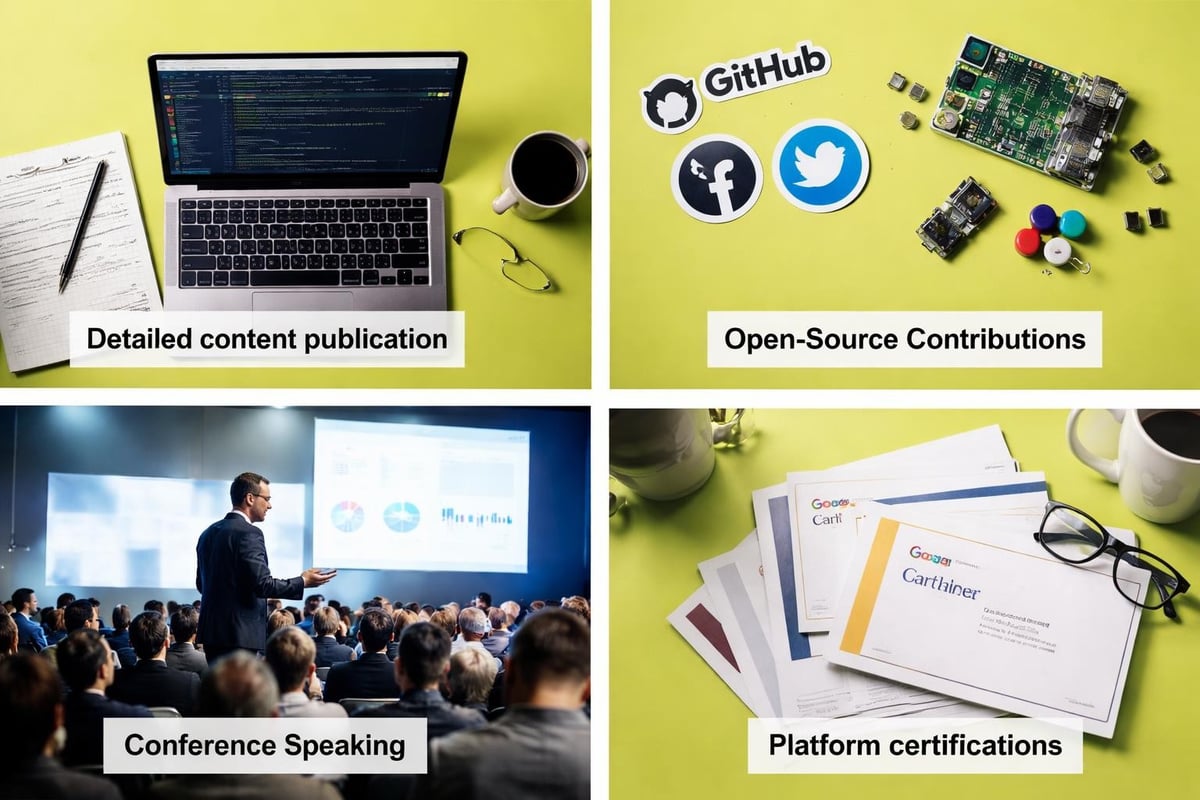
Publish technical content that showcases depth of knowledge. Detailed guides covering complex implementations prove capabilities more effectively than marketing claims. Articles exploring custom eCommerce web development attract prospects seeking sophisticated solutions.
Open-source contributions build credibility within developer communities. Publishing Shopify apps, themes, or code snippets demonstrates expertise whilst creating discovery opportunities when developers search for solutions.
Speaking at industry conferences and local meetups positions you as a thought leader. Presenting case studies, technical deep-dives, or platform insights establishes authority and creates networking opportunities with potential clients and partners.
Certifications and platform partnerships validate expertise. Becoming a Shopify Partner, earning platform certifications, and maintaining active status demonstrates ongoing investment in specialized knowledge that helps you get web design clients seeking verified expertise.
Use Proposals That Convert
Proposals represent critical conversion moments. A compelling proposal transforms interested prospects into paying clients, whilst poor proposals lose opportunities regardless of earlier success.
Structure proposals around client outcomes rather than listing deliverables. Lead with business objectives you'll help achieve, then explain how proposed solutions drive those results. This framing maintains focus on value rather than tasks.
Modern proposal software creates professional, trackable documents that improve close rates. Platforms reviewed in guides about attracting web design clients offer templates, analytics, and integration features that streamline the proposal process.
Include detailed project timelines that demonstrate organized execution. Break projects into clear phases with specific milestones, deliverables, and approval points. This transparency builds confidence in your process.
Pricing transparency matters for conversion. Clearly itemize costs, explain what's included at each tier, and justify value for investment. Avoid vague estimates that create uncertainty and comparison difficulties.
Offer multiple service tiers when appropriate. Presenting good-better-best options accommodates different budgets whilst anchoring value. Many clients select middle-tier options when presented with choices.
Optimize Your Client Onboarding
First impressions during onboarding significantly impact client satisfaction, retention, and referral likelihood. Smooth onboarding processes reduce anxiety, establish clear communication patterns, and set expectations that guide successful partnerships.
Create standardized onboarding workflows that ensure consistency. Document each step from contract signing through project kickoff, including:
- Welcome packet outlining what happens next
- Questionnaire gathering essential project information
- Kickoff meeting establishing goals and timelines
- Communication protocols defining touchpoint frequency
- Access requirements for platforms and accounts
Professional onboarding demonstrates organizational capability and builds confidence in your project management. Clients who experience seamless onboarding trust your ability to execute complex builds.
Set realistic expectations early. Discuss potential challenges, explain decision points requiring input, and establish timelines with appropriate buffers. Under-promising and over-delivering creates positive experiences that generate referrals.
Track Metrics That Matter
Measuring client acquisition efforts identifies what works and where to invest resources. Without data, agencies waste budget on ineffective channels whilst underinvesting in successful strategies.
Track source attribution for every lead and client. Understanding which channels generate highest-quality opportunities informs budget allocation and strategic focus. A simple spreadsheet tracking lead source, conversion rate, and client value provides actionable insights.
MetricWhat It MeasuresWhy It MattersCost Per LeadMarketing spend divided by leads generatedIdentifies channel efficiencyLead-to-Client RatePercentage of leads becoming clientsReveals qualification and conversion qualityClient Lifetime ValueTotal revenue per client relationshipJustifies acquisition investmentChannel ROIRevenue minus cost per channelDirects budget optimization
Monitor website analytics to understand visitor behavior. Which pages generate contact form submissions? Where do prospects spend time before converting? These insights guide content strategy and site optimization.
Survey new clients about their decision-making process. Understanding what influenced their choice helps refine messaging and emphasizes effective positioning elements. Ask specifically what differentiated your agency from alternatives they considered.
Maintain Existing Client Relationships
Retaining existing clients costs significantly less than acquiring new ones whilst generating predictable revenue through ongoing work and retainers. Strong client relationships also produce valuable referrals that help you get web design clients without marketing investment.
Proactive communication demonstrates ongoing value beyond initial project delivery. Regular check-ins, performance reports, and optimization recommendations show continued investment in client success.
Offer maintenance and support packages that create recurring revenue whilst keeping clients engaged. Shopify support services ensure stores remain optimised, secure, and current whilst maintaining regular touchpoints that surface expansion opportunities.
Identify growth opportunities within existing accounts. As clients' businesses expand, they need additional features, marketing support, or platform optimizations. Agencies attuned to client growth capture this work before external competitors enter conversations.
Annual strategy reviews create natural expansion opportunities. Schedule yearly meetings discussing business performance, market changes, and website optimization opportunities. These structured conversations position your agency as a strategic partner rather than a transactional vendor.
Position Premium Pricing Confidently
Competing on price attracts wrong-fit clients and undermines profitability. Premium positioning attracts businesses that value expertise and understand quality investment delivers superior returns.
Communicate value throughout client interactions. Explain how strategic design decisions improve conversion rates, how performance optimization increases revenue, and how user experience refinements enhance customer satisfaction. Connecting services to business outcomes justifies premium investment.
Share case studies demonstrating measurable results. When prospects see documented conversion improvements, revenue increases, and performance gains from previous projects, your pricing appears reasonable relative to potential returns.
Package services strategically rather than itemizing hours. Project-based or value-based pricing focuses conversations on outcomes rather than time tracking. This approach better serves both parties and simplifies comparison for prospects.
Qualify prospects early to avoid wasting time on poor fits. Discuss budget ranges during initial conversations, explain typical project investment levels, and assess whether prospects view websites as business assets or necessary expenses. Conversion-focused Shopify web design requires clients who understand that strategic design drives measurable business results.
Successfully attracting web design clients requires combining multiple strategies: specialisation that creates expertise, content that demonstrates authority, outreach that generates opportunities, and delivery that earns referrals. Building a sustainable client pipeline takes consistent effort across these channels, with each reinforcing the others to create compounding growth over time. If you're building an ambitious eCommerce brand and need a Shopify agency that delivers conversion-focused design, technical excellence, and measurable business results, Futur Media combines deep platform expertise with proven processes that turn visitors into customers and drive long-term growth.