
.svg)






%201.png)
Finding the best websites for website design can transform how you approach building your online presence. Whether you're seeking inspiration, learning new techniques, or choosing the right platform to build upon, knowing where to look saves time and ensures your eCommerce store stands out in an increasingly competitive digital landscape. For UK brands planning to launch or refresh their Shopify stores, understanding which resources deliver genuine value versus those that simply look impressive makes all the difference to your project's success.
Where Design Inspiration Meets Commercial Reality
The best websites for website design serve multiple purposes beyond simply showcasing pretty interfaces. They demonstrate how successful brands balance aesthetics with functionality, conversion optimization, and user experience principles that actually drive revenue.
Awwwards and Industry Recognition Platforms
Awwwards hosts web design competitions that recognize exceptional digital experiences, making it an invaluable resource for understanding current design trends. The platform showcases work from agencies and designers worldwide, with detailed case studies explaining the thinking behind award-winning projects.
Key benefits of exploring Awwwards:
- Real-world examples of innovative interactions and animations
- Detailed breakdowns of technical implementation approaches
- Recognition of both visual design and user experience quality
- Regular updates reflecting emerging design patterns
However, not every award-winning design translates well to eCommerce contexts. Many showcase sites prioritize creativity over conversion, using elaborate animations and unconventional navigation that would frustrate shoppers trying to complete a purchase.
Platform TypeBest ForCautionAward SitesCreative inspiration, technical innovationMay sacrifice usability for aestheticsBuilder ShowcasesTemplate ideas, practical layoutsOften feature idealized contentPortfolio SitesIndividual designer styles, niche approachesMay not scale to commercial needs
When evaluating designs from inspiration galleries, consider how the approach would perform under real conditions: with actual product photography, longer category lists, and users accessing your store on mobile devices during their commute.

Platform-Specific Resources and Builder Communities
The landscape of website builders has evolved significantly, with platforms like Wix, Squarespace, and Shopify each offering different strengths for different business models. Understanding where each platform excels helps you make informed decisions about your technical foundation.
Modern Website Builders and AI Integration
According to Creative Bloq's coverage, Wix has launched Harmony, an AI-driven website builder that combines automation with creative control. This represents a broader industry shift towards intelligent design assistance.
TechRadar's 2026 website builder guide provides comprehensive comparisons across platforms, helping businesses identify which builder aligns with their specific requirements. For eCommerce brands, however, the choice often narrows quickly.
Why Shopify dominates for UK eCommerce brands:
- Built specifically for online retail from the ground up
- Handles complex inventory, variants, and fulfilment scenarios
- Integrated payment processing optimized for UK markets
- Extensive app ecosystem for specialized functionality
- Scales from startup to enterprise without platform migration
General website builders work well for portfolios, service businesses, and content sites. But if you're selling physical products to UK customers and planning to scale beyond hobby revenue, starting with a purpose-built eCommerce platform saves costly migrations later.
Design System Resources and Component Libraries
Beyond complete website examples, the best websites for website design often include component libraries and design systems that demonstrate best practices for individual elements. CSS Zen Garden remains a valuable educational resource, showcasing how identical HTML structure can be styled in radically different ways through CSS alone.
For eCommerce builders, understanding design systems helps maintain consistency across:
- Product listing pages and individual product detail views
- Checkout flows and account management areas
- Marketing landing pages and content sections
- Mobile and desktop breakpoints
Many brands exploring how to set up a Shopify store underestimate the importance of consistent component styling. A well-structured design system ensures your brand feels cohesive whether shoppers are browsing collections or completing checkout.
Learning Platforms and Educational Resources
The difference between copying designs and understanding design principles determines long-term success. The best websites for website design education teach you to think like a designer rather than simply replicate current trends.
Structured Learning vs Inspiration Galleries
Educational platforms worth exploring:
- Interaction Design Foundation: Comprehensive courses on UX principles applicable to eCommerce
- Smashing Magazine: In-depth articles on practical web design challenges
- Nielsen Norman Group: Research-backed usability insights
- Web.dev by Google: Technical performance and accessibility guidance
These resources complement visual inspiration with the reasoning behind effective design decisions. Understanding why certain patterns work helps you adapt approaches to your specific products and audience rather than blindly following templates.
Resource TypeTime InvestmentApplication to eCommerceOnline Courses10-40 hours per courseHigh - systematic understandingDesign Articles15-30 minutes eachMedium - specific problem solvingVideo Tutorials5-60 minutes eachMedium - platform-specific techniquesDocumentationOngoing referenceHigh - technical implementation
For brands working with agencies, understanding design fundamentals improves collaboration quality. You can articulate what you're trying to achieve and evaluate proposed solutions more effectively when you grasp underlying principles.
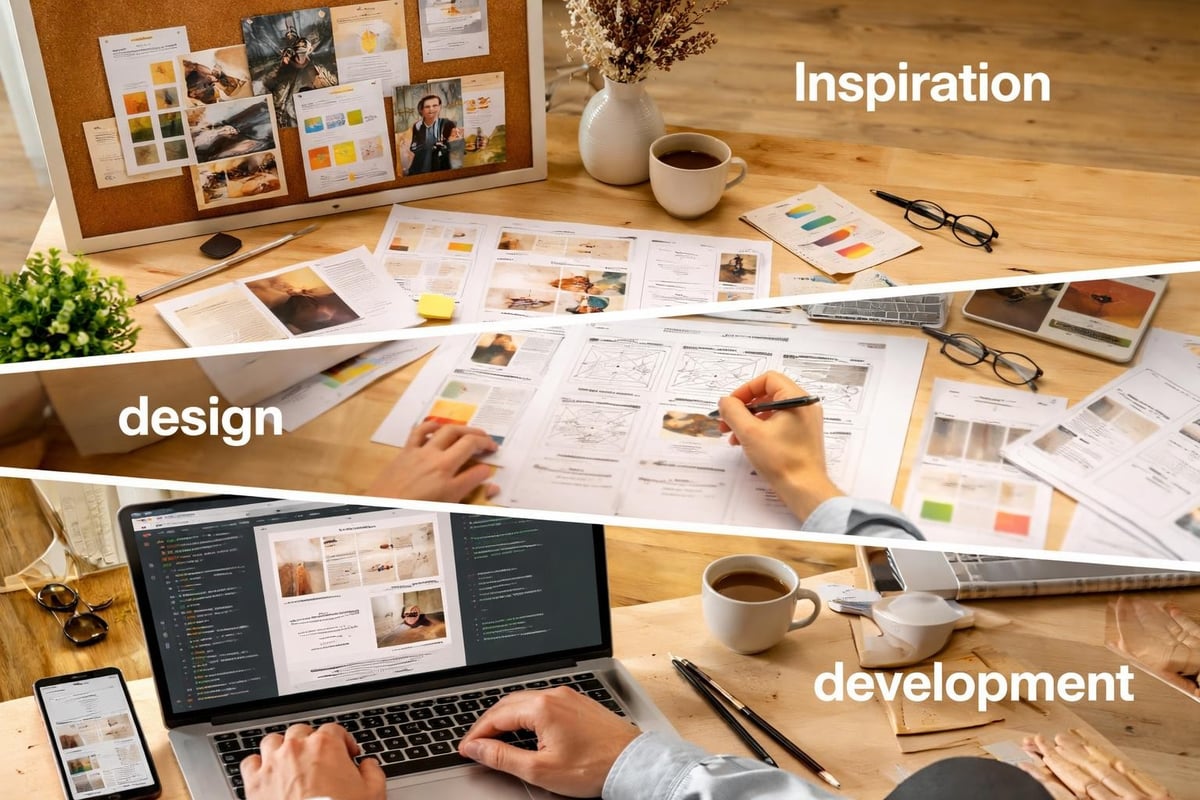
Real-World Portfolio Examples and Case Studies
Abstract knowledge only goes so far. Studying real businesses that successfully balance design quality with commercial performance provides actionable insights you can apply immediately.
Personal and Portfolio Sites That Teach
Wix's collection of personal website examples showcases how individuals present their work online. While these aren't eCommerce stores, they demonstrate effective storytelling, visual hierarchy, and content organization principles that translate well to brand-building.
The most valuable portfolio sites clearly communicate:
- Who the designer or agency serves (niche focus)
- What problems they solve (client outcomes)
- How they approach projects (process transparency)
- Why their work achieves results (case study metrics)
When evaluating amazing web designs, look beyond surface aesthetics to understand the strategic thinking. Great eCommerce design doesn't just look professional - it guides visitors toward purchase decisions through deliberate layout, copy, and interaction choices.
Platform-Specific Showcases
Shopify maintains curated showcases of successful stores built on their platform. These examples demonstrate what's possible within Shopify's ecosystem, showing how brands customize themes or implement custom builds to match their unique requirements.
What to analyze in eCommerce portfolio sites:
- Navigation structure and category organization
- Product photography style and consistency
- Filtering and search implementation
- Mobile experience and touch interactions
- Loading speed and perceived performance
Many businesses looking at great design agencies focus solely on visual portfolio pieces. But the most reliable indicator of an agency's eCommerce capability is whether their case studies include conversion metrics, speed improvements, and revenue impact alongside the pretty screenshots.
Technical Resources and Development Documentation
As websites become more sophisticated, the line between design and development blurs. The best websites for website design in 2026 include technical resources that help designers implement their visions properly.
No-Code and Low-Code Solutions
Webflow represents the growing category of visual development tools that generate clean code from drag-and-drop interfaces. These platforms empower designers to build complex interactions without writing JavaScript manually.
For Shopify stores, similar capabilities exist through:
- Shopify's native theme customization tools
- Page builders like Shogun and PageFly
- Custom section development within Liquid framework
- Headless commerce approaches using Hydrogen
The trade-off between visual builders and custom code depends on your specific requirements. Simple customizations work brilliantly through no-code tools. Complex functionality benefits from proper Shopify Development that maintains performance and stays within platform best practices.
Performance and Optimization Resources
Tom's Guide to the best website builders evaluates platforms partly on technical performance. But choosing the right builder represents just the starting point. How you implement design determines actual user experience.
Critical performance considerations:
- Image optimization and modern format usage (WebP, AVIF)
- Lazy loading for below-fold content
- Minimal JavaScript blocking page rendering
- Strategic use of caching and content delivery networks
- Mobile-first responsive implementation
Many visually impressive designs load slowly because designers prioritized aesthetics over performance optimization. For eCommerce, every second of delay costs conversions. The best approach balances visual impact with technical efficiency.

Emerging Trends and Future Considerations
The website design landscape continues evolving rapidly, with new technologies and approaches reshaping what's possible and what shoppers expect.
AI and Autonomous Design Tools
TechRadar's coverage of autonomous websites highlights startups like Flint building self-updating sites. These platforms promise content generation and optimization without human intervention, raising questions about automation's role in design.
For eCommerce brands, AI tools offer genuine value in specific areas:
- Automated image background removal and enhancement
- Copy generation for product descriptions at scale
- Personalized content based on browsing behavior
- A/B test variant creation and analysis
However, fully autonomous design remains problematic. Brand identity, strategic positioning, and customer understanding still require human insight. The most effective approach combines AI efficiency for routine tasks with human creativity for strategic decisions.
Accessibility and Inclusive Design
Wikipedia's overview of web design covers foundational principles including accessibility. This isn't optional anymore - UK regulations require websites to meet accessibility standards, and search engines increasingly factor accessibility into rankings.
Accessibility ConsiderationImpact on DesignImplementation ApproachColor ContrastVisual hierarchy and readabilityWCAG AA minimum contrast ratiosKeyboard NavigationInteractive element designLogical tab order and focus statesScreen Reader SupportContent structure and labelingSemantic HTML and ARIA attributesAlternative TextImage usage and meaningDescriptive alt text for all images
Accessible design isn't about compromise - it's about reaching more customers. Clear navigation, readable text, and well-structured content benefit all users while specifically enabling those with disabilities to shop successfully.
Strategic Selection for Your Business Needs
With countless resources available, knowing which best websites for website design deserve your attention depends on your current stage and immediate priorities.
Matching Resources to Project Phase
Early exploration phase:
- Visual inspiration galleries like Awwwards
- Platform comparison guides
- Educational resources on eCommerce fundamentals
Active design and build phase:
- Component libraries and design systems
- Technical documentation and performance guides
- Platform-specific theme showcases
Optimization and growth phase:
- Conversion optimization case studies
- A/B testing methodologies
- Advanced development techniques
When exploring resources, consider both what you're building and who's building it. DIY approaches using templates and builders suit basic requirements and limited budgets. Custom development with experienced agencies delivers differentiated experiences that justify higher initial investment through better long-term performance.
For UK brands evaluating whether to use builders or work with specialists, understanding your growth trajectory matters most. A template-based Shopify store might serve a startup's first year brilliantly. But brands planning significant growth typically benefit from custom builds designed around their specific customer journeys and product characteristics.
Evaluating Design Quality vs Commercial Effectiveness
The tension between award-winning design and revenue-generating design defines eCommerce website development. The best websites for website design inspiration sometimes showcase projects that prioritize creative expression over practical conversion.
Red flags in eCommerce design inspiration:
- Complex navigation requiring multiple clicks to find products
- Elaborate animations that delay content appearance
- Unconventional interaction patterns that confuse shoppers
- Heavy imagery creating slow mobile load times
- Buried calls-to-action in favor of visual purity
Conversely, pure optimization without design consideration creates functional but forgettable experiences. The ideal balance combines enough visual interest to establish brand personality with sufficient clarity to guide purchases efficiently.
If you're launching a new eCommerce venture or considering whether to redesign your website, analyze competitors who successfully sell similar products. Their design choices reflect tested approaches to your shared audience's expectations and behaviors.
Platform-Specific Design Considerations
While general design principles apply universally, each eCommerce platform has unique characteristics that influence implementation approaches and what's realistically achievable.
Shopify Design Ecosystem
Shopify's popularity means abundant resources specifically addressing design within its ecosystem. From theme marketplaces to developer documentation, finding guidance for Shopify-specific challenges remains straightforward.
Shopify design resource hierarchy:
- Official Shopify theme documentation and liquid guides
- Theme developer blogs and tutorials
- Shopify Partner community forums
- Independent Shopify design agencies and consultants
- General web design resources adapted to Shopify context
The advantage of working within Shopify's constraints is that solutions remain maintainable long-term. Custom code that works with Shopify's architecture continues functioning through platform updates. Approaches that fight against the platform's intended usage patterns create ongoing technical debt.
When evaluating themes or custom design approaches, consider not just launch aesthetics but how easily you can update content, add products, and maintain consistency as your catalog grows. The best eCommerce designs scale gracefully from 10 products to 10,000 without requiring complete rebuilds.
Headless and Custom Frontends
Advanced eCommerce operations sometimes outgrow traditional theme approaches, requiring custom frontend implementations using frameworks like React or Vue connected to Shopify's backend APIs.
These approaches offer maximum design flexibility but require significantly more development expertise and ongoing maintenance. For most UK brands, particularly those under £5M annual revenue, theme-based or lightly customized Shopify stores deliver better return on investment than fully headless implementations.
The best websites for website design combine inspiration with education, showing not just what's possible but explaining why certain approaches succeed. Whether you're gathering ideas for a new store launch or identifying areas to improve your existing site, focusing on resources that balance aesthetics with commercial effectiveness ensures your design investments drive actual business results. At Futur Media, we help ambitious UK brands translate design inspiration into high-performing Shopify stores built for growth, combining creative excellence with conversion-focused development that delivers measurable results.