
.svg)




%201.avif)
Your product pages are the deciding factor between browsers and buyers. Whilst Shopify provides robust out-of-the-box templates, the real opportunity lies in tailoring these pages to match your brand, products, and customer expectations. Shopify product page customization enables UK eCommerce brands to differentiate themselves in competitive markets, communicate value more effectively, and ultimately drive higher conversion rates through strategic design and functionality improvements.
Why Product Page Customization Matters for Shopify Stores
Default Shopify themes serve as solid starting points, but they're designed to accommodate thousands of different businesses across varied industries. Generic layouts rarely address the specific needs of your target audience or showcase your products in their best light.
Customization unlocks several commercial advantages:
- Enhanced brand consistency across all customer touchpoints
- Improved user experience tailored to your specific product types
- Higher conversion rates through strategic layout optimization
- Better mobile responsiveness for UK shoppers browsing on smartphones
- Increased average order values via smart cross-selling placement
Research consistently demonstrates that customized product pages outperform generic templates in conversion metrics. The ability to highlight unique selling points, address common objections, and guide customers through the decision-making process gives customized stores a measurable competitive edge.
Understanding Customization Levels
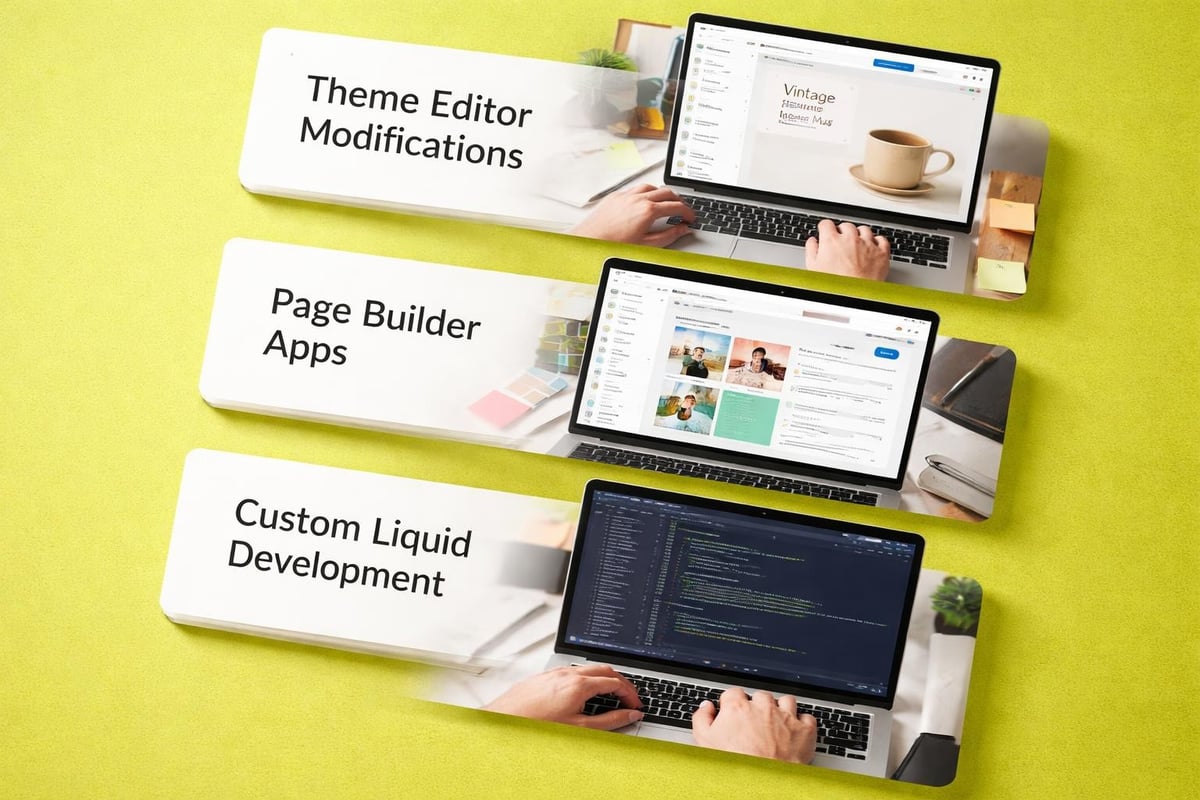
Shopify product page customization exists on a spectrum from simple theme adjustments to complete custom development. Low-code options through Shopify's theme editor allow merchants to modify colors, fonts, and section arrangements without technical knowledge. Mid-level customization involves page builder apps that provide drag-and-drop functionality for creating unique layouts.
Advanced customization requires working with Liquid code, Shopify's templating language, or implementing custom sections through professional Shopify development services. Understanding which level matches your requirements prevents over-engineering simple needs or under-delivering on complex product presentations.
Essential Elements to Customize on Product Pages
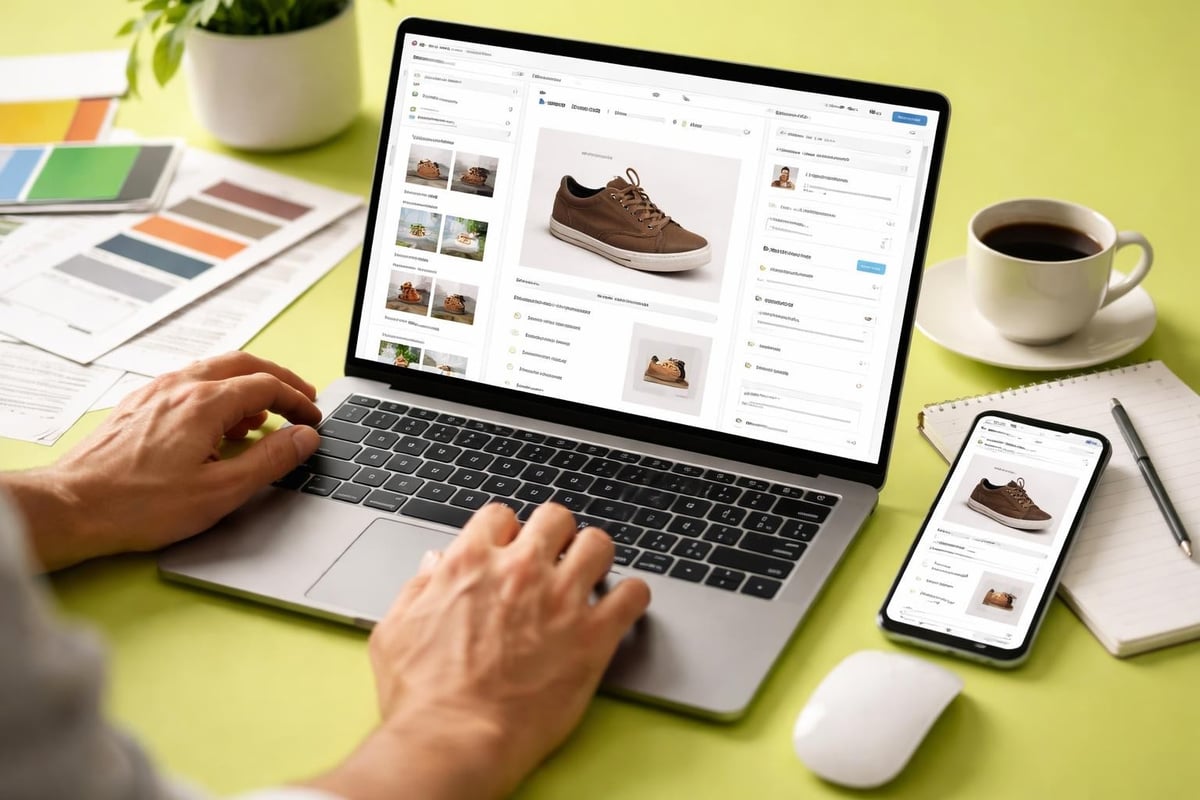
Strategic shopify product page customization starts with identifying which elements deliver the greatest impact on customer behavior. Not every customization opportunity deserves equal attention or resources.
Product Image Galleries and Media
Visual content carries enormous weight in purchase decisions, particularly for fashion, homeware, and lifestyle products. Standard image galleries often fail to showcase products from angles customers need to see.
Effective image customization includes:
- 360-degree product viewers for detailed examination
- Lifestyle imagery showing products in context
- Video demonstrations highlighting key features
- Zoom functionality for texture and detail inspection
- Mobile-optimized image sizes for faster loading
The presentation quality of product imagery directly correlates with trust and purchase intent. Investing in custom gallery layouts that prioritize visual storytelling yields significant returns, particularly for premium or considered-purchase products.
Product Descriptions and Information Architecture
Standard description boxes rarely accommodate the depth of information needed for complex products whilst remaining scannable for quick browsers. Custom layouts allow you to structure information hierarchically, using tabs, accordions, or expandable sections.
ElementStandard ApproachCustomized ApproachDescriptionSingle text blockTabbed sections (Overview, Specifications, Care)FeaturesPlain bullet listIcon-enhanced benefit statementsSizingText-only guideInteractive size calculatorMaterialsBrief mentionDetailed sustainability information with certifications
This structured approach helps different customer types find relevant information quickly. Technical buyers can access specifications whilst emotional purchasers focus on benefits and lifestyle fit.
Trust Elements and Social Proof
Generic product pages often relegate reviews to the bottom of the page, missing opportunities to influence the decision at critical moments. Custom placement of trust signals throughout the page journey reinforces confidence.
Strategic positioning of customer reviews, expert endorsements, certification badges, and guarantee statements addresses hesitation points before they derail purchases. When implementing conversion rate optimization strategies, trust element placement consistently ranks among the highest-impact changes.
Technical Methods for Customizing Product Pages
Understanding your implementation options helps you choose the most efficient path to achieving your customization goals without unnecessary complexity or cost.
Theme Customizer Approach
Shopify's native theme editor provides significant flexibility for merchants comfortable with visual interfaces but wary of code. Modern themes built on Online Store 2.0 architecture offer section-based editing that allows you to add, remove, and rearrange page components.
Steps for basic theme customization:
- Navigate to Online Store > Themes in your Shopify admin
- Click Customize on your active theme
- Select a product page template to edit
- Add or remove sections using the left sidebar
- Configure individual section settings including layout, colors, and content
- Save changes and preview across devices
This approach suits straightforward customization needs like adding testimonial sections, FAQ accordions, or related product carousels. Limitations emerge when you need truly unique layouts or functionality beyond your theme's built-in sections.
Page Builder Applications
Third-party apps like Shogun, PageFly, and GemPages extend customization capabilities without requiring coding knowledge. These tools provide drag-and-drop interfaces for creating custom layouts whilst maintaining compatibility with Shopify's infrastructure.
Advantages of page builder apps:
- Visual design interface accessible to non-developers
- Pre-built templates for common product types
- Reusable components across multiple product pages
- A/B testing capabilities for optimization
- Regular updates maintaining Shopify compatibility
The trade-off involves additional monthly costs, potential performance impacts from app-generated code, and dependency on third-party vendors for ongoing support and updates. For brands lacking in-house development resources, these tools offer practical middle-ground solutions.
Custom Liquid Development
For complete control over product page design and functionality, working with Shopify's Liquid templating language enables unlimited customization possibilities. This approach requires developer expertise but removes the constraints of themes and apps.
Custom development allows you to create variant-specific layouts, implement advanced filtering for products with numerous options, integrate external APIs for personalization, or build entirely unique user interfaces matched to your brand standards. When pursuing building high-performing eCommerce stores, this level of customization often becomes necessary for truly differentiated customer experiences.
Optimization Best Practices for Customized Pages
Customization without strategic thinking rarely improves performance. Following proven optimization principles ensures your modifications actively contribute to business objectives rather than simply looking different.
Mobile-First Design Considerations
Over 70% of UK eCommerce traffic originates from mobile devices, making mobile optimization non-negotiable for successful shopify product page customization. Desktop-first designs typically fail on smaller screens through cramped layouts, tiny touch targets, and excessive scrolling.
Mobile optimization checklist:
- Touch-friendly buttons minimum 44x44 pixels
- Single-column layouts for easy scanning
- Sticky add-to-cart buttons remaining visible whilst scrolling
- Compressed images optimized for cellular connections
- Simplified navigation reducing unnecessary taps
Testing customizations on actual devices rather than desktop browser simulators reveals real-world usability issues. Many beautifully designed desktop layouts become frustrating mobile experiences that hemorrhage potential sales.
Page Speed Performance
Customization decisions directly impact loading times, and slow pages destroy conversion rates regardless of design quality. Each added app, custom section, or high-resolution image adds weight to page loads.
Element TypePerformance ImpactMitigation StrategyPage Builder AppsModerate to HighUse sparingly, minimize sectionsCustom FontsLow to ModerateLimit font families, use system fonts where possibleProduct VideosHighLazy load, use native Shopify video hostingThird-party ScriptsHighAudit necessity, implement asynchronous loadingImage GalleriesModerate to HighCompress images, implement lazy loading, use WebP format
Regular performance audits using Google PageSpeed Insights or similar tools identify optimization opportunities. Maintaining sub-three-second load times preserves the conversion benefits your customizations aim to deliver.
Conversion-Focused Layout Hierarchy
Effective product pages guide visitors through a logical decision journey from awareness through consideration to purchase. Custom layouts should reinforce this progression rather than overwhelming visitors with scattered information.
The most successful configurations position key conversion elements above the fold, including the product image, title, price, variant selectors, and add-to-cart button. Supporting information like detailed descriptions, specifications, and reviews follows in descending priority order.
Advanced Customization Strategies
Once foundational customizations are in place, advanced strategies can further differentiate your product pages and address specific customer segments or product categories.
Dynamic Content Personalization
Modern shopify product page customization extends beyond static layouts into dynamic content that adapts to individual visitors. Showing different messaging, imagery, or offers based on traffic source, browsing history, or customer segment increases relevance and conversion probability.
Personalization opportunities include:
- Geo-targeted messaging for UK regional shipping advantages
- Returning customer recognition with personalized recommendations
- Cart abandonment recovery messaging for repeat visitors
- Segment-specific testimonials matching visitor demographics
- Dynamic urgency indicators based on stock levels
Implementing personalization requires either advanced apps with segmentation capabilities or custom development integrating with Shopify's customer data. The complexity increases alongside potential returns, making this appropriate for established stores with meaningful traffic volumes.
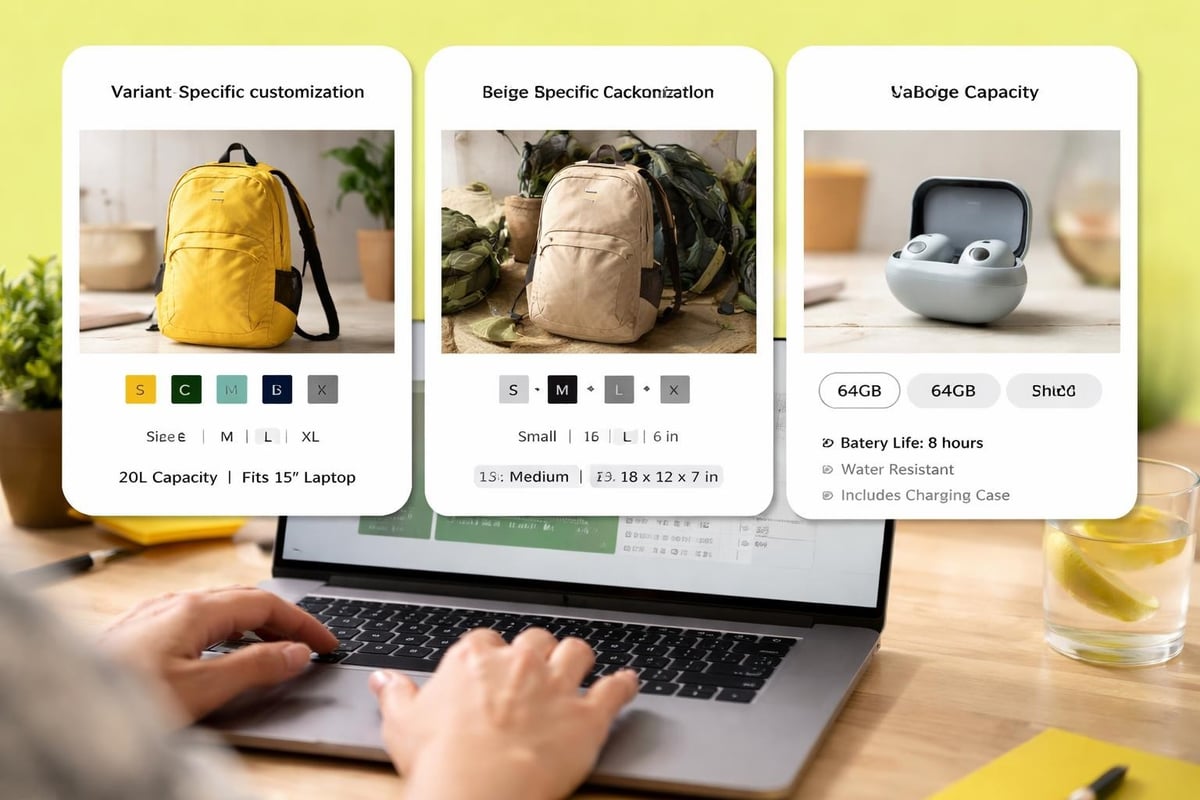
Variant-Specific Customization
Products with multiple variants often struggle within standard templates that show the same content regardless of selection. Custom development enables variant-specific descriptions, images, specifications, and even pricing explanations.
For example, a clothing brand might display different sizing guides for mens and womens variants, or a technology retailer could show capacity-specific benefits when customers select storage options. This granular customization improves the user experience by showing precisely relevant information at decision moments.
Bundle and Cross-Sell Integration
Strategic product page customization includes intelligent upselling and cross-selling opportunities that feel helpful rather than pushy. Custom sections can showcase complementary products, bundle options, or frequently-bought-together suggestions at psychologically optimal moments.
Rather than generic "you may also like" carousels, sophisticated implementations use smart algorithms to suggest genuinely relevant additions based on the specific product being viewed, cart contents, and historical purchasing patterns. Positioning these elements after the primary add-to-cart action but before detailed specifications captures interest without disrupting the initial purchase decision.
Common Customization Mistakes to Avoid
Understanding pitfalls helps you navigate shopify product page customization more efficiently, avoiding costly errors that damage rather than enhance performance.
Over-Customization and Feature Creep
The ability to customize everything tempts many merchants to add excessive features, sections, and functionality. Pages become cluttered, loading times suffer, and visitors face decision paralysis from overwhelming choices.
Successful customization maintains focus on core conversion objectives. Every added element should serve a clear purpose backed by customer research or testing data. When in doubt, simpler implementations typically outperform complex ones.
Inconsistent Mobile Experience
Customizations designed and approved on desktop displays often translate poorly to mobile viewports. Elements that look balanced on wide screens become stacked awkwardly on phones, creating frustrating user experiences.
Always preview and test customizations on actual mobile devices before launching. Many agencies, including those specializing in Shopify web design, adopt mobile-first design processes that build upward from small screens rather than retrofitting desktop designs downward.
Neglecting SEO Implications
Certain customization approaches can inadvertently harm search performance, particularly when using page builders that generate excessive markup or hide content in ways search engines struggle to interpret. Product schema markup, heading hierarchy, and content accessibility all require attention during customization.
Working with specialists who understand both design and technical SEO ensures your customizations enhance rather than compromise organic visibility. Product pages often represent your highest-value landing pages for commercial search terms, making SEO protection paramount.
Ignoring Analytics and Testing
Launching customizations without measurement frameworks prevents you from understanding their actual impact on business metrics. What looks visually impressive may perform poorly in conversion reality.
Implement proper tracking before customization launches, establish baseline metrics, and conduct structured A/B testing where possible. Data-led decision making separates effective customizations from expensive vanity projects.
Industry-Specific Customization Considerations
Different product categories and industries benefit from tailored customization approaches that address their unique customer needs and purchase behaviors.
Fashion and Apparel
Clothing and fashion brands require robust size guides, detailed material information, and extensive imagery showing fit from multiple angles. Custom fit finders, style quizzes, and virtual try-on capabilities add significant value when properly implemented.
Mobile optimization becomes particularly critical as fashion shoppers predominantly browse and purchase via smartphones. Swipeable image galleries, quick-view functionality for related products, and streamlined checkout processes reduce friction in impulse-driven categories.
Electronics and Technical Products
Technology buyers demand detailed specifications, comparison tools, and compatibility information before purchasing. Custom tabbed layouts separating features, specifications, compatibility, and support documentation serve this research-intensive audience.
Trust signals including warranties, certifications, and expert reviews carry particular weight in electronics. Strategic placement of these elements alongside technical details addresses both logical and emotional purchase drivers.
Beauty and Cosmetics
Beauty product customization benefits from ingredient transparency, shade matching tools, and before/after imagery. Custom sections highlighting clean ingredients, sustainability credentials, and dermatological testing appeal to increasingly conscious consumers.
Tutorial content showing application techniques, usage instructions, and styling inspiration transforms product pages into valuable resources rather than purely transactional pages. This content-rich approach builds authority whilst supporting purchase decisions.
Maintaining and Evolving Your Customizations
Shopify product page customization isn't a one-time project but an ongoing optimization process that evolves alongside your business, products, and customer expectations.
Regular Performance Reviews
Quarterly audits of page performance, conversion rates, and user behavior patterns identify optimization opportunities and highlight underperforming customizations. What worked effectively at launch may require refinement as traffic patterns shift or competitors raise industry standards.
Key metrics to monitor:
- Conversion rate by product category
- Average time on page and bounce rates
- Add-to-cart rates versus purchase completion
- Mobile versus desktop performance gaps
- Page load speeds and Core Web Vitals scores
Establishing consistent review processes ensures customizations continue delivering value rather than becoming stagnant technical debt.
Adapting to Shopify Platform Changes
Shopify regularly releases new features, theme capabilities, and best practices that may supersede your existing customizations. Staying current with platform developments prevents your store from falling behind whilst identifying opportunities to simplify custom code through new native features.
For businesses that have undergone a Shopify migration, maintaining alignment with current platform capabilities maximizes the return on that investment. Partner agencies often provide ongoing support packages that include platform monitoring and proactive updates.
Seasonal and Campaign Customizations
Strategic retailers customize product pages for seasonal peaks, sales events, and marketing campaigns. Temporarily highlighting gift messaging options during Christmas, showcasing bulk purchasing during back-to-school periods, or featuring limited-edition variants during product launches keeps pages fresh and relevant.
Advanced customization implementations support scheduled content changes, allowing you to prepare seasonal modifications in advance and automate their activation. This capability proves particularly valuable for businesses with predictable annual cycles.
Strategic shopify product page customization transforms generic templates into conversion-optimized sales tools that reflect your brand, serve your customers, and outperform competitors. By combining thoughtful design decisions with technical best practices and ongoing optimization, UK brands can create product experiences that genuinely influence purchasing behavior and drive sustainable growth. Futur Media works with ambitious eCommerce brands to design, build, and optimize high-performing Shopify stores that balance aesthetic excellence with commercial effectiveness, ensuring every customization decision contributes measurably to your bottom line.


.svg)