
.svg)






%201.png)
Choosing an ecommerce SEO agency is one of the most consequential decisions for online retailers seeking sustainable growth. Unlike traditional SEO, ecommerce search optimisation requires a specialist understanding of product pages, category structures, faceted navigation, and the unique technical challenges that come with managing hundreds or thousands of SKUs. The right agency doesn't just improve rankings; it drives qualified traffic, enhances user experience, and ultimately increases revenue whilst protecting the technical integrity of your platform. For Shopify merchants particularly, selecting an agency that understands the platform's capabilities and limitations can make the difference between incremental improvements and transformational growth.
Understanding What an Ecommerce SEO Agency Actually Does
An ecommerce SEO agency operates differently from general digital marketing firms. The discipline requires deep technical knowledge alongside strategic thinking about product discovery, conversion pathways, and customer intent at various stages of the buying journey.
Technical Foundation and Site Health
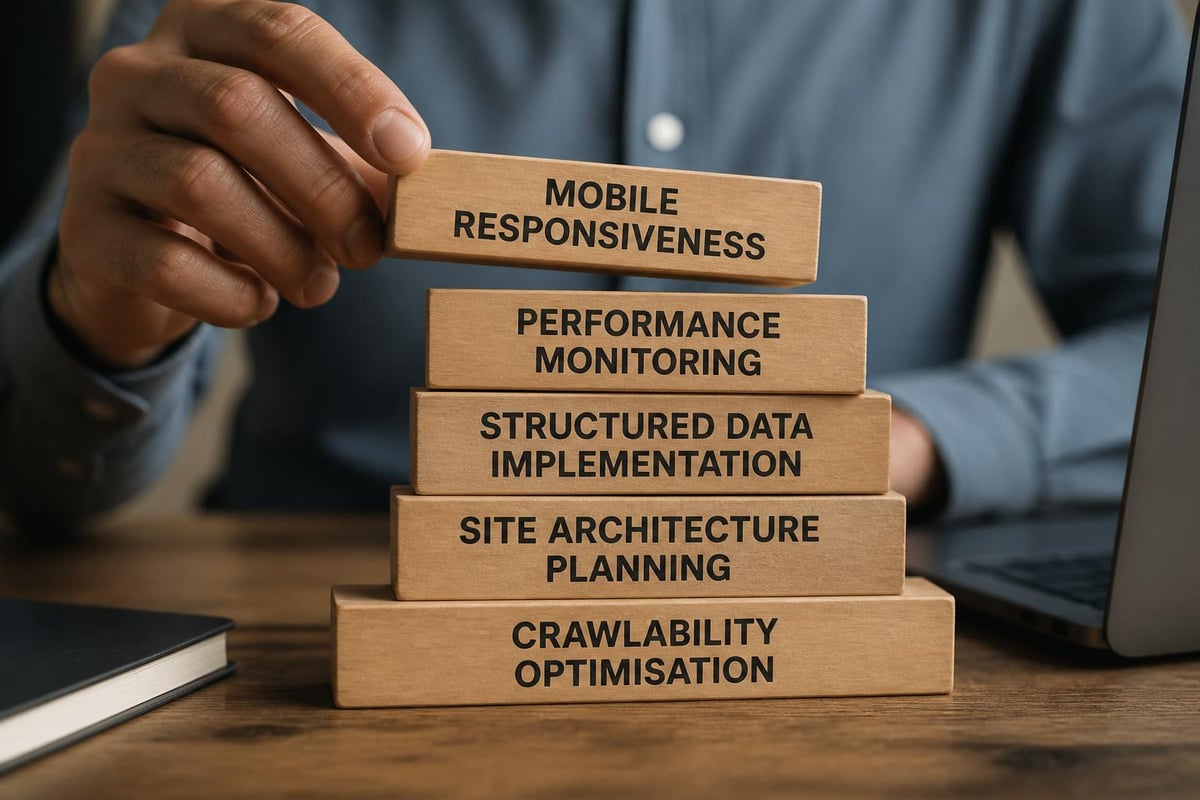
The groundwork begins with comprehensive technical audits. These assessments examine crawlability, indexation issues, site speed, mobile responsiveness, and structured data implementation. For ecommerce platforms, technical SEO considerations extend beyond standard website optimisation to include product schema, inventory management signals, and handling of out-of-stock items.
A competent ecommerce SEO agency will identify and resolve critical issues such as:
- Duplicate content across product variants
- Inefficient URL structures and excessive parameters
- Poor internal linking architecture
- Missing or incorrect canonical tags
- Slow page load times affecting conversion rates
- Mobile usability problems that damage rankings
These technical elements form the foundation upon which all other SEO efforts are built. Without addressing core infrastructure problems, content and link-building efforts deliver diminished returns.
Strategic Keyword Research and Mapping
Ecommerce keyword strategy differs fundamentally from content-led approaches. Agencies must balance commercial keywords with high purchase intent against informational queries that build brand authority and capture customers earlier in their research phase.
Effective keyword mapping involves assigning specific search terms to appropriate pages whilst avoiding cannibalisation. Product pages target transactional queries, category pages address broader commercial searches, and blog content captures informational intent. The selection of appropriate SEO tools becomes crucial for managing this complexity at scale.
| Keyword Type | Intent Stage | Page Type | Example |
|---|---|---|---|
| Transactional | Ready to buy | Product | "buy organic cotton t-shirt UK" |
| Commercial | Comparing options | Category | "best sustainable clothing brands" |
| Informational | Research phase | Blog/Guide | "how to wash organic cotton" |
Content Strategy for Product Discovery
Content serves dual purposes in ecommerce SEO: supporting product discovery through optimised descriptions and category pages, whilst also building topical authority through educational resources. An experienced ecommerce SEO agency develops content that addresses customer questions, removes purchase barriers, and establishes expertise within your niche.
This involves crafting unique, compelling product descriptions that avoid manufacturer-supplied duplicates, developing category page content that targets broader keywords whilst maintaining commercial focus, and creating guides that naturally link to relevant products. When executed properly, this content ecosystem enhances both organic visibility and conversion rates simultaneously.
The First 90 Days: What to Expect from Your Agency Partnership
The initial period with an ecommerce SEO agency establishes the trajectory for long-term success. Understanding the typical 90-day onboarding process helps set realistic expectations and ensures productive collaboration from the outset.
Discovery and Audit Phase (Days 1-30)
The relationship typically begins with comprehensive discovery. Agencies examine your existing analytics, conduct competitor analysis, review technical infrastructure, and identify quick wins alongside long-term opportunities. This phase involves stakeholder interviews to understand business objectives, seasonal patterns, and product roadmaps that influence SEO strategy.
Technical audits during this period should cover:
- Complete site crawl identifying all indexable pages
- Core Web Vitals assessment and performance benchmarking
- Backlink profile analysis and toxic link identification
- Content gap analysis against primary competitors
- Conversion funnel examination highlighting drop-off points
Transparent reporting during this phase establishes baseline metrics and creates shared understanding of priorities.
Strategy Development and Quick Wins (Days 31-60)
With audit findings in hand, agencies develop comprehensive strategies that balance immediate improvements against sustained long-term initiatives. This period sees implementation of quick technical fixes whilst detailed roadmaps for content, link-building, and structural improvements take shape.
For Shopify stores specifically, agencies might implement schema markup, optimise image compression, restructure navigation hierarchies, and enhance internal linking patterns. These changes often deliver measurable improvements within weeks whilst larger strategic initiatives are planned.
Implementation and Monitoring (Days 61-90)
The final third of the initial period focuses on executing priority initiatives whilst establishing monitoring frameworks. Content production begins, technical improvements are deployed, and baseline performance metrics are tracked rigorously. Agencies should provide regular reporting that demonstrates progress against established KPIs rather than vanity metrics.

Platform-Specific Considerations for Shopify Merchants
Shopify presents unique opportunities and constraints that specialised agencies understand intimately. The platform's architecture handles many technical SEO elements effectively out of the box, but achieving competitive advantage requires deeper optimisation and strategic thinking beyond default configurations.
Leveraging Shopify's SEO Strengths
Shopify automatically generates clean URLs, creates XML sitemaps, implements responsive design, and provides basic structured data. However, competitive markets demand more sophisticated approaches. Agencies working with Shopify SEO optimise theme code for performance, implement advanced schema types, refine collection page strategies, and create interconnected content architectures that maximise link equity distribution.
The platform's app ecosystem offers powerful extensions for review management, advanced filtering, and content management, but requires careful implementation to avoid performance degradation. Experienced agencies balance functionality against speed, ensuring that each addition contributes positively to both user experience and search performance.
Navigating Shopify's Limitations
Certain platform constraints require creative solutions. URL structures for blog posts include /blogs/news/ by default, faceted navigation can create indexation challenges, and tag pages may generate thin content issues. A competent ecommerce SEO agency develops workarounds that mitigate these limitations whilst maintaining platform stability and upgrade compatibility.
For merchants considering platform transitions, understanding Shopify migration implications for SEO becomes critical. Preserving rankings during migration requires meticulous URL mapping, redirect implementation, and structured data continuity.
Selecting the Right Ecommerce SEO Agency for Your Business
The selection process demands careful evaluation beyond impressive case studies and confident proposals. The agency that delivers transformational results aligns with your specific business context, platform requirements, and growth ambitions.
Essential Evaluation Criteria
Technical expertise forms the foundation. Agencies should demonstrate fluent understanding of your platform's architecture, common pitfalls, and optimisation opportunities. For Shopify merchants, this means agencies who have delivered measurable results for similar stores and can discuss Liquid templating, theme optimisation, and app integration strategies knowledgeably.
Transparent methodology separates ethical agencies from those employing risky tactics. The research on black-hat SEO practices in ecommerce scams emphasises the importance of agencies committed to sustainable, white-hat strategies that build long-term value rather than delivering short-lived ranking spikes that risk penalties.
Communication and reporting determine partnership quality. Agencies should provide clear explanations of strategy, regular progress updates, and honest assessments of challenges encountered. Look for teams that educate rather than mystify, fostering internal capability whilst managing execution.
Red Flags to Avoid
Several warning signs indicate agencies unlikely to deliver sustainable results:
- Guaranteed rankings or unrealistic timelines
- Reluctance to explain methodologies or provide transparent reporting
- Focus solely on rankings rather than revenue and conversion metrics
- Cookie-cutter strategies without customisation for your business
- Limited platform-specific experience or technical depth
- Poor references or inability to demonstrate measurable client results
The best ecommerce SEO agencies acknowledge the complexity of search optimisation, set realistic expectations, and demonstrate commitment to your long-term success rather than quick contract renewals.
Measuring Success Beyond Rankings
Whilst search visibility matters, truly effective agencies focus on metrics that impact business outcomes. Rankings fluctuate, but revenue growth, customer acquisition cost improvements, and enhanced customer lifetime value demonstrate genuine SEO value.
Meaningful KPIs for Ecommerce SEO
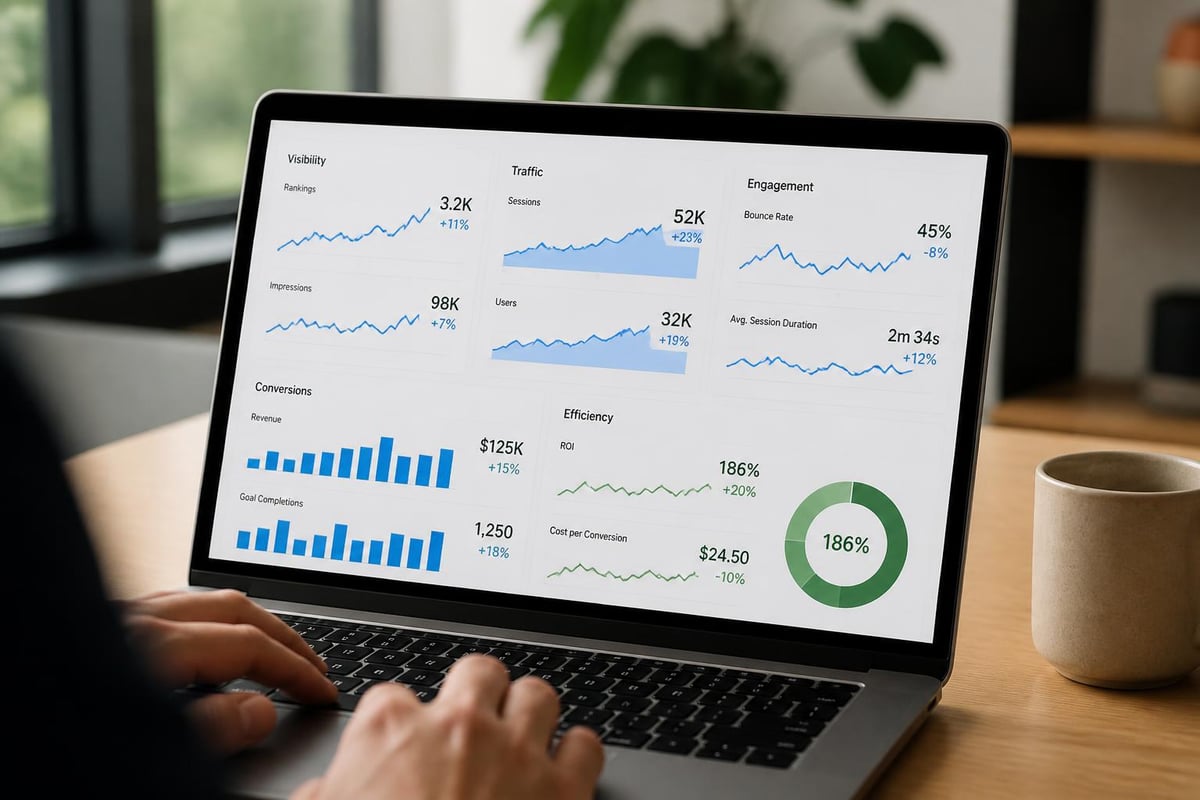
Comprehensive measurement frameworks track progress across multiple dimensions:
| Metric Category | Key Indicators | Business Impact |
|---|---|---|
| Visibility | Organic keyword rankings, search impression share | Market presence |
| Traffic | Organic sessions, new vs returning visitors | Audience growth |
| Engagement | Pages per session, time on site, bounce rate | Content relevance |
| Conversion | Conversion rate, revenue per session, assisted conversions | Revenue generation |
| Efficiency | Customer acquisition cost, return on ad spend comparison | Profitability |
Advanced agencies implement attribution models that accurately credit SEO's contribution throughout customer journeys, recognising that search often plays multiple touchpoint roles before conversion occurs.
Balancing Short-Term Wins with Long-Term Growth
Effective ecommerce SEO delivers steady compounding returns rather than dramatic overnight transformations. Early quick wins build momentum and demonstrate value, whilst sustained strategic efforts create competitive moats that competitors struggle to overcome.
Agencies should articulate clear timelines for different initiative types. Technical improvements might show impact within weeks, content strategies typically require months to gain traction, and authority-building through links develops over quarters. Understanding these timelines prevents unrealistic expectations whilst maintaining focus on activities that drive sustainable growth.
The Intersection of SEO and Conversion Rate Optimisation
Forward-thinking ecommerce SEO agencies recognise that driving traffic without optimising conversion represents half-finished work. The most valuable partnerships integrate search optimisation with user experience improvements that maximise revenue from organic visitors.
Creating Cohesive Customer Experiences
Search-driven visitors arrive with specific intent signals embedded in their queries. Agencies that understand this connection ensure landing pages match expectations, navigation supports discovery, and conversion pathways remove friction. This integrated approach requires collaboration between Shopify SEO specialists and conversion rate optimisation experts who share common objectives.
Page speed exemplifies this intersection perfectly. Fast-loading pages improve search rankings whilst simultaneously reducing bounce rates and increasing conversion likelihood. Investment in performance optimisation delivers compounding returns across both disciplines.
Data-Driven Refinement
The best agencies continuously test and refine. They examine user behaviour data to identify content gaps, analyse search query reports to discover new opportunities, and monitor conversion funnels to optimise customer journeys. This iterative approach ensures SEO strategies evolve alongside changing customer behaviour and competitive dynamics.
Understanding how to master SEO fundamentals whilst applying these principles within an ecommerce context creates sustainable competitive advantages that purely technical or content-led approaches cannot match.
Building Internal Capability Alongside Agency Partnership
The most successful client-agency relationships develop internal expertise rather than creating dependency. Agencies should transfer knowledge, explain strategic thinking, and empower internal teams to maintain momentum between major initiatives.
What to Learn from Your Agency
Request explanations when agencies implement changes. Understanding the rationale behind technical optimisations, content strategies, and structural improvements enables better decision-making across other business areas. Many SEO principles apply to paid advertising, email marketing, and product development when properly understood.
Agencies should provide:
- Regular training sessions on SEO fundamentals and platform-specific best practices
- Documentation of implemented changes and their expected impacts
- Access to tools and dashboards that enable performance monitoring
- Clear processes for requesting changes or escalating issues
- Strategic guidance that connects SEO initiatives to broader business objectives
This knowledge transfer ensures that even if the agency relationship ends, your business retains capability and understanding that protects previous investments.
Collaborative Strategy Development
The strongest partnerships involve collaborative planning where agency expertise combines with internal market knowledge, customer insights, and product roadmaps. Agencies provide search data, competitive intelligence, and technical guidance whilst internal teams contribute category expertise, seasonal patterns, and strategic priorities.
Regular strategy sessions should align SEO initiatives with product launches, promotional calendars, and business development efforts. This integration ensures search optimisation supports rather than operates independently from overall commercial strategy.
Future-Proofing Your Ecommerce SEO Investment
Search algorithms evolve continuously, consumer behaviour shifts, and competitive landscapes transform. Agencies committed to long-term client success develop strategies resilient to these changes whilst remaining adaptable to emerging opportunities.
Adapting to Algorithm Updates
Google's core updates, new ranking factors, and shifting priorities require constant vigilance. Agencies should monitor industry developments, interpret impacts on client sites, and adjust strategies proactively rather than reactively. Sites built on strong technical foundations with genuinely valuable content weather algorithm changes more successfully than those relying on optimisation tricks.
The emphasis on Core Web Vitals, mobile-first indexing, and user experience signals demonstrates Google's direction toward rewarding sites that genuinely serve users well. Agencies aligned with this philosophy build sustainable advantages rather than chasing temporary ranking manipulations.
Preparing for Emerging Technologies
Voice search, visual search, and AI-driven search experiences are reshaping how customers discover products. Forward-thinking agencies incorporate these developments into strategy, optimising for conversational queries, implementing visual search markup, and preparing for evolving search interfaces that may not resemble traditional results pages.
Understanding these trends whilst maintaining focus on current revenue-driving activities requires balanced perspective. The best agencies pilot emerging opportunities without diverting excessive resources from proven strategies that continue delivering results.
Investment Considerations and Pricing Models
Ecommerce SEO agency costs vary dramatically based on scope, expertise, and engagement models. Understanding typical pricing structures helps evaluate proposals and ensure budget allocation aligns with expected deliverables.
Common Pricing Approaches
Agencies typically employ monthly retainers, project-based fees, or performance-based arrangements:
- Monthly retainers provide ongoing support, continuous optimisation, and strategic guidance. Suitable for established stores requiring sustained attention and regular improvements.
- Project-based engagements address specific initiatives like migrations, major redesigns, or technical overhauls. These defined-scope projects have clear deliverables and timelines.
- Performance-based models tie compensation to achieved results, though pure performance arrangements are rare due to the many variables affecting search success beyond agency control.
| Model Type | Typical Range | Best For | Considerations |
|---|---|---|---|
| Monthly Retainer | £2,000-£15,000+ | Ongoing optimisation | Requires long-term commitment |
| Project-Based | £5,000-£50,000+ | Defined initiatives | Clear scope prevents overruns |
| Hybrid | Varies | Balanced approach | Combines predictability with incentives |
Transparent agencies clearly articulate what's included within fees, how additional work is handled, and which tools or resources require separate investment.
Calculating Return on Investment
Evaluating SEO investment requires patience and appropriate attribution. Unlike paid advertising with immediate trackable returns, organic search builds gradually. However, once established, SEO delivers compounding returns with lower marginal costs than sustained paid acquisition.
Calculate customer lifetime value from organic channels, compare acquisition costs against paid alternatives, and assess how organic traffic supports retention and repeat purchase behaviour. Many businesses find that whilst SEO requires upfront investment, the long-term return significantly exceeds paid channel alternatives.
Common Pitfalls and How to Avoid Them
Even with capable agencies, certain mistakes undermine SEO success. Awareness of common pitfalls enables proactive prevention.
Insufficient Internal Resources
Agencies require client input for content approval, technical access, strategic alignment, and performance review. Businesses that cannot dedicate appropriate internal resources create bottlenecks that delay initiatives and diminish results. Ensure someone internally owns the agency relationship with authority to make decisions and allocate necessary time.
Unrealistic Timeline Expectations
SEO delivers sustained growth rather than immediate transformations. Markets with established competitors require persistence before meaningful ranking improvements emerge. Agencies should set realistic expectations, but clients must maintain commitment through the initial building phase before compounding returns materialise.
Poor Communication and Alignment
Regular communication ensures both parties remain aligned on priorities, challenges, and opportunities. Establish clear reporting cadences, define escalation processes, and create feedback mechanisms that surface issues before they become problems. The best results emerge from true partnerships rather than vendor-client transactional relationships.
Ignoring Technical Debt
Deferred technical improvements accumulate, eventually creating performance problems that undermine all other efforts. Address technical recommendations promptly rather than perpetually postponing infrastructure work in favour of content initiatives. Both elements require attention for sustainable success.
Partnering with a specialised ecommerce SEO agency transforms how your online store captures organic demand, builds market authority, and converts visitors into customers. The right collaboration balances technical excellence with strategic thinking whilst developing internal capability that compounds value over time. If you're looking to strengthen your Shopify store's search performance through expert optimisation and conversion-focused development, Futur Media combines platform expertise with commercial understanding to deliver measurable growth for ambitious UK brands.