
.svg)






%201.avif)
The world of website development websites is transforming at lightning speed in 2026, with new technologies constantly emerging. Staying ahead requires not only creativity but also choosing the right website development websites to build a strong digital foundation.
In this article, we unveil 7 essential website development websites that are set to shape your online presence and give you a competitive edge. From design to functionality, these platforms empower businesses to excel online. Ready to future-proof your success? Discover which website development websites, such as Futur Media Web Design Services, can unlock your digital potential.
The Evolving Landscape of Website Development in 2026
The world of website development websites is transforming at a remarkable pace. As we move into 2026, businesses face a rapidly changing digital environment. Staying competitive means understanding the latest innovations and adopting the right solutions to build future-ready online experiences.
Key Trends Shaping Website Development
In 2026, several trends are redefining the way website development websites operate. AI-driven design tools now automate everything from layout to content personalisation, giving businesses an edge in efficiency. Headless CMS solutions are gaining traction, separating content management from front-end presentation, which allows for maximum flexibility.
No-code and low-code platforms make it easier for non-developers to build robust sites, opening doors for more innovation and accessibility. Mobile-first and responsive design remain crucial, ensuring seamless performance across all devices. Speed, security, and user experience are non-negotiable, with users expecting instant loading and robust protection. Emerging technologies such as AR and VR are also being integrated for interactive, immersive web experiences. For a deeper dive into these developments, see the latest Web Development Trends 2026.
The Role of Specialised Platforms and Tools
Specialised website development websites are streamlining workflows and boosting productivity for teams of all sizes. All-in-one platforms offer convenience and simplicity, making them ideal for small businesses and quick launches. In contrast, specialised solutions cater to unique requirements, such as advanced eCommerce, custom CMS, or immersive media.
Choosing between these options depends on the level of scalability and flexibility your business needs. All-in-one tools are easy to adopt, but can become restrictive as your needs grow. Specialised platforms demand more technical investment, yet provide greater control and future-proofing. The evolution of website development websites means teams can now select tailored tools that align with their growth ambitions.
Platform TypeProsConsAll-in-OneQuick setup, easy useLimited customisationSpecialisedAdvanced featuresHigher learning curve
Choosing the Right Website Development Partner
Selecting the right partner for your website development websites journey is critical for long-term success. Consider technical expertise, platform specialisation, and the ability to provide ongoing support. Look for partners who understand your business goals and can integrate SEO, branding, and digital marketing from the outset.
For example, a retail brand that worked with a multi-platform agency was able to launch a scalable eCommerce solution and improve conversion rates significantly. Such success stories highlight the value of working with agencies experienced in various website development websites, from Shopify and Craft CMS to bespoke builds.
When evaluating partners, focus on:
- Proven technical skills and platform knowledge
- Transparent communication and proactive support
- Ability to deliver integrated digital strategies
With the right collaboration, your business will be well-positioned to leverage the full potential of modern website development websites and stay ahead in the digital race.
7 Essential Website Development Websites for 2026
Selecting the right website development websites is a pivotal step for digital success in 2026. The landscape is more competitive than ever, with each platform offering unique strengths to help brands stand out and thrive. Whether you seek design freedom, robust eCommerce solutions, or cutting-edge content management, these seven website development websites will shape your online journey in the coming year. For those seeking more insights into the best website design platforms, you can explore a comprehensive overview of leading solutions to complement this list.
1. Webflow
Webflow is a leading name among website development websites, empowering users to create visually striking, fully responsive sites without touching a line of code. Its visual no-code builder allows for pixel-perfect design, while the integrated CMS and eCommerce tools make it suitable for a wide range of digital projects.
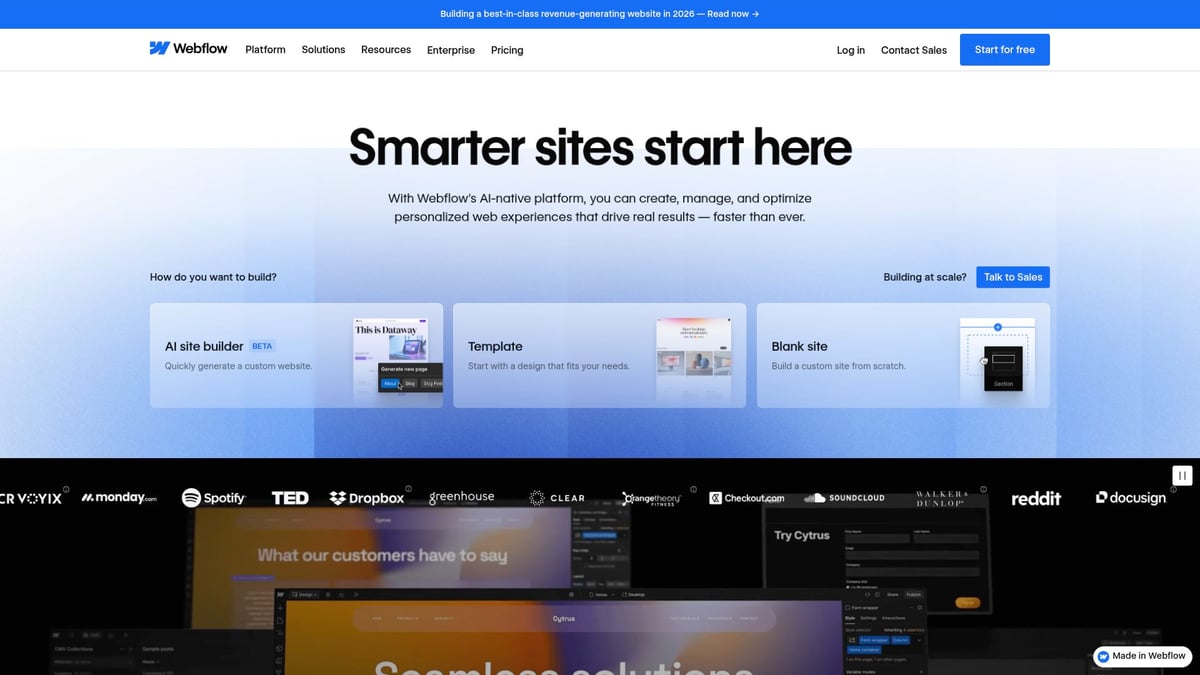
Pricing: Free plan available, with paid options from $14 per month.
Core Features: Visual no-code builder, powerful CMS, eCommerce support, hosting, and extensive integrations.
Benefits: Designers and agencies appreciate the design freedom and the ability to prototype rapidly. Robust animation and interaction tools add to its appeal.
Target Audience: Designers, agencies, startups, and SMBs seeking control and flexibility.
Pros:
- Intuitive UI for rapid development
- SEO-friendly out of the box
- Powerful animation toolsCons:
- Steep learning curve for advanced features
- Limited export options
Example: Dell and Rakuten have leveraged Webflow for swift website launches and agile marketing campaigns.
Webflow’s blend of power and accessibility cements its place as one of the most influential website development websites for 2026.
2. Futur Media Web Design Services
Futur Media stands out in the landscape of website development websites by offering bespoke, brand-driven solutions. This Cardiff-based agency focuses on crafting custom websites that balance aesthetics with business objectives, ensuring every project is tailored to the client’s unique needs.

Pricing: Custom quotes based on project scope.
Core Features: Bespoke web design, UI/UX expertise, conversion-focused builds, responsive layouts, and ongoing support.
Benefits: Clients benefit from end-to-end support, from research and design to launch and optimisation.
Target Audience: UK businesses, eCommerce brands, professional services, and SMBs.
Pros:
- Deep platform expertise (Shopify, Craft CMS)
- Proven results in various sectors
- Strategic digital growth solutionsCons:
- Pricing requires consultation
- Primarily UK-focused
Example: Futur Media has delivered successful projects for mortgage brokers, workwear suppliers, and coaching businesses, demonstrating the impact of tailored website development websites.
3. Shopify
Shopify remains a powerhouse among website development websites for eCommerce. Its streamlined platform enables businesses to launch and scale online stores with minimal fuss, making it a go-to for both new entrepreneurs and established brands.

Pricing: Starts at £25 per month, plus transaction fees.
Core Features: eCommerce dashboard, payment processing, inventory management, and an expansive app marketplace.
Benefits: Shopify’s quick setup and global reach allow businesses to grow efficiently.
Target Audience: Online retailers, DTC brands, entrepreneurs, agencies.
Pros:
- User-friendly interface
- Robust support resources
- Mobile-optimised shopfrontsCons:
- Additional transaction fees
- Limited customisation on lower plans
Example: Gymshark and Kylie Cosmetics trust Shopify for their high-volume eCommerce needs, underscoring its significance among website development websites.
4. Craft CMS
Craft CMS is a favourite for developers and agencies seeking flexibility and control. It is one of the most adaptable website development websites, offering a content-first approach that suits complex and content-heavy projects.
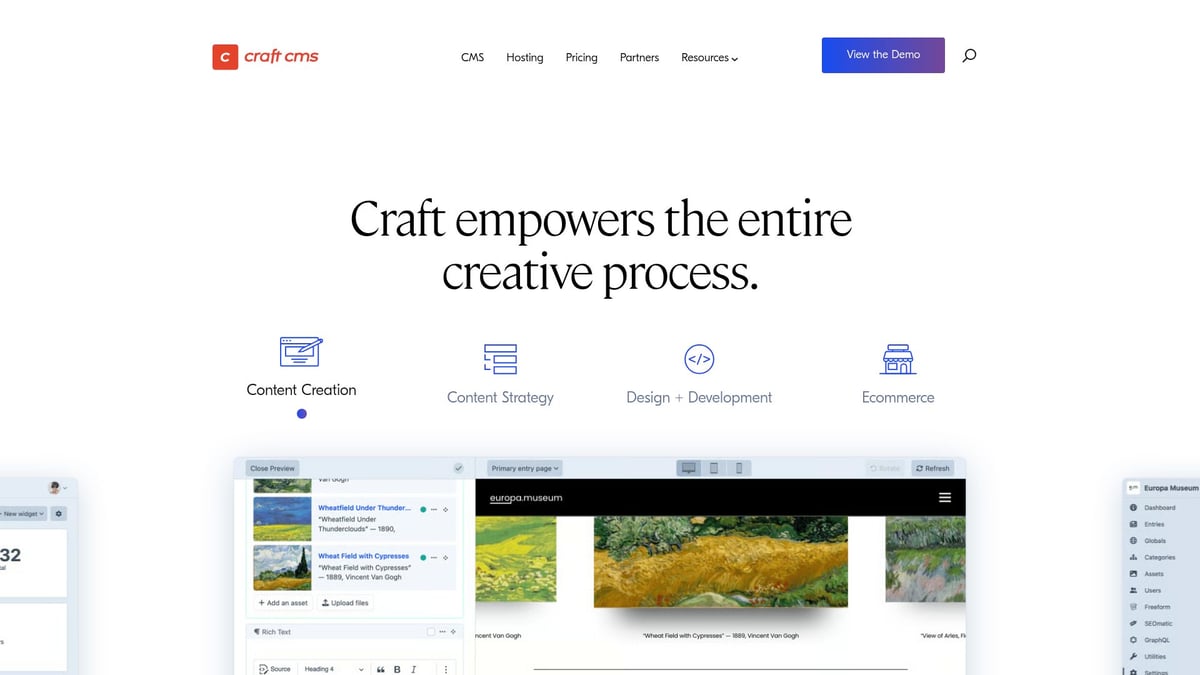
Pricing: Free for personal use, Pro licences from $299 per year.
Core Features: Flexible content modelling, headless CMS capabilities, multi-site management, and strong security.
Benefits: Developers appreciate its customisability and clean admin interface.
Target Audience: Agencies, developers, enterprise projects, and content-rich websites.
Pros:
- Scalable and secure
- Active community support
- Clean, intuitive backendCons:
- Requires technical expertise
- Smaller plugin library than WordPress
Example: Netflix and Adidas rely on Craft CMS for advanced content management, solidifying its place among top website development websites.
5. Wix
Wix appeals to those seeking a fast, easy route to getting online. As one of the most accessible website development websites, it offers a drag-and-drop builder, hundreds of templates, and integrated marketing tools, making it ideal for small businesses and freelancers.
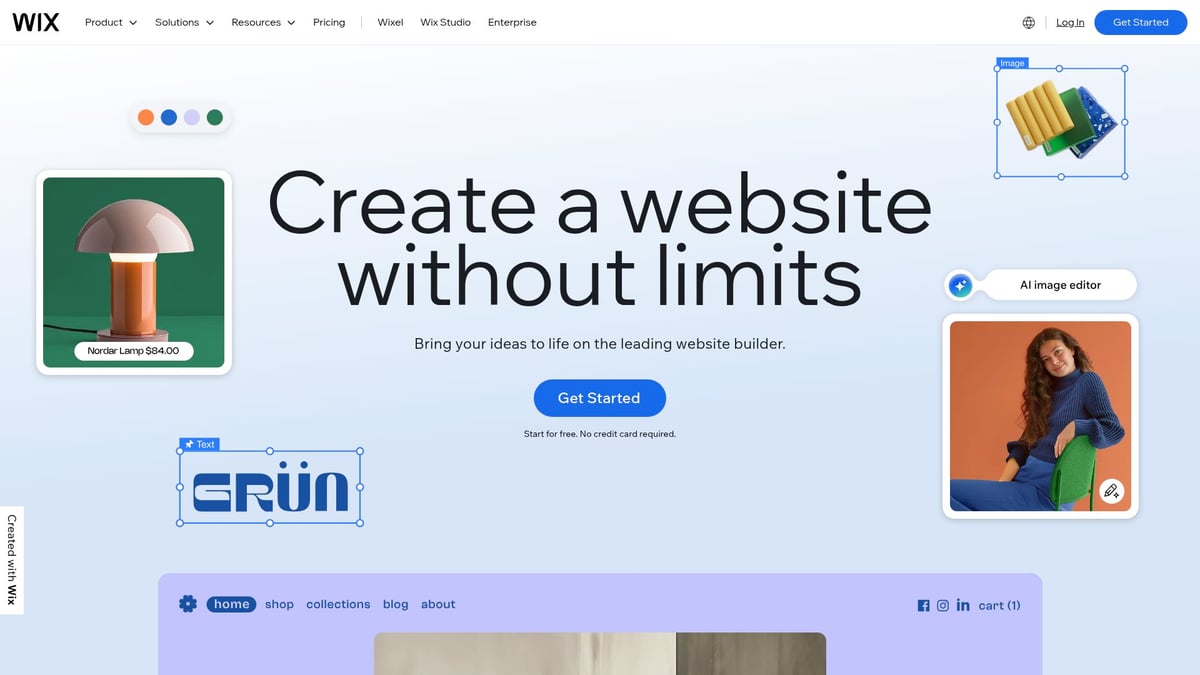
Pricing: Free plan available, premium options from £7.50 per month.
Core Features: Drag-and-drop site builder, template library, app market, eCommerce support.
Benefits: Quick setup and beginner-friendly tools reduce barriers for first-time website owners.
Target Audience: Small businesses, freelancers, creatives, local shops.
Pros:
- All-in-one platform
- Simple to use
- Affordable entry pointCons:
- Limited scalability for large businesses
- Customisation options can be restrictive
Example: Over 200 million users globally trust Wix, making it a standout among website development websites for small business owners.
6. Sanity
Sanity is redefining content management for modern teams. As a headless CMS, it stands out among website development websites for its API-first approach, real-time collaboration, and scalability for enterprise needs.
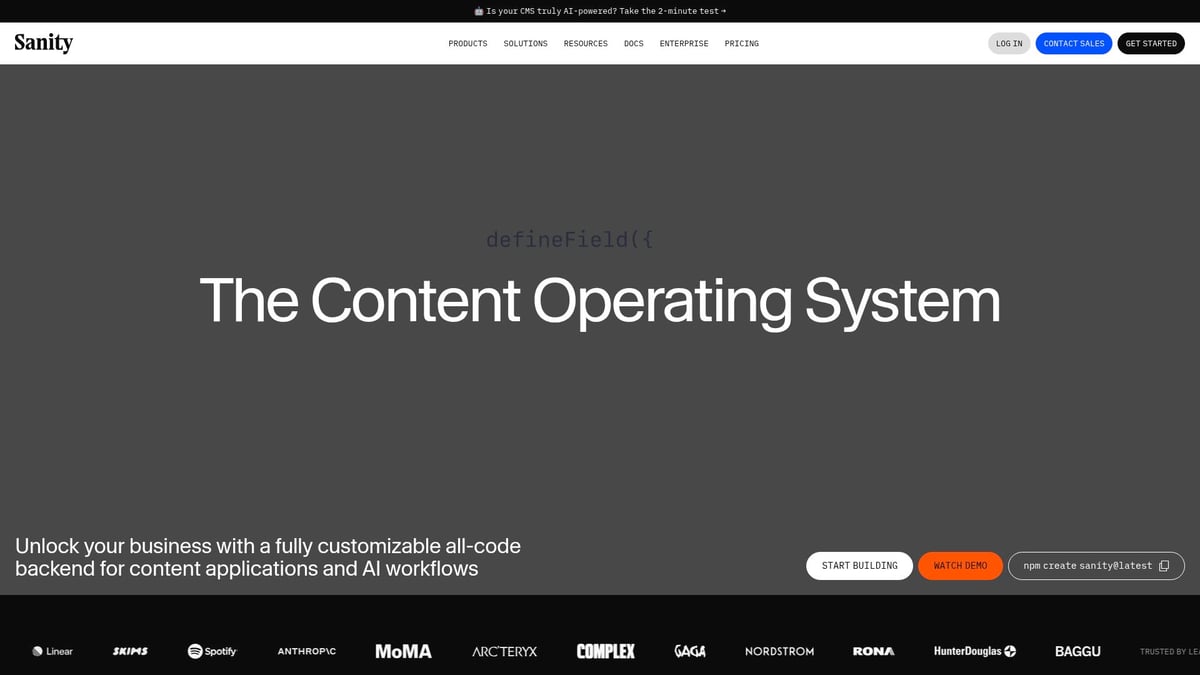
Pricing: Free tier available, paid plans from $99 per month.
Core Features: Structured content, real-time collaboration, headless architecture, fast content delivery.
Benefits: Suited to developers and content teams needing flexibility and speed.
Target Audience: Developers, content teams, agencies, enterprises.
Pros:
- Extensible and adaptable
- Integrates with frameworks like Next.js and Gatsby
- Fast, reliable APICons:
- Technical setup required
- Learning curve for non-developers
Example: Nike and Figma use Sanity for dynamic, multi-channel content delivery, reinforcing its role as a leading website development website.
7. Figma
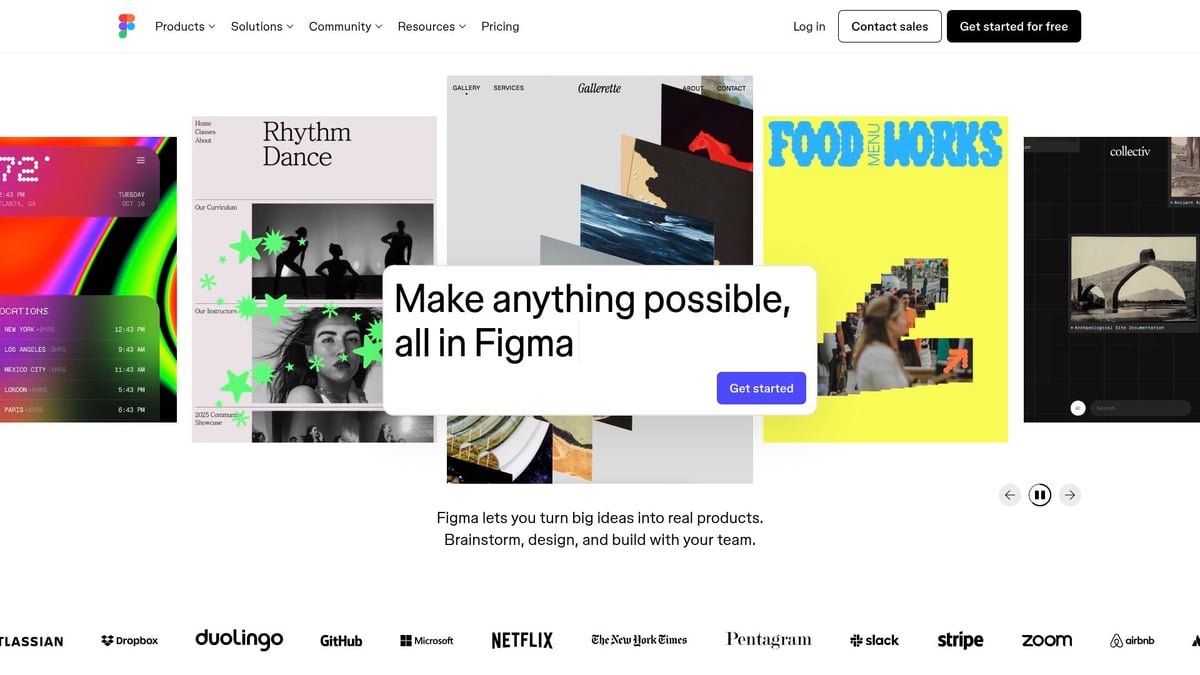
Figma is a collaborative design platform that enables teams to prototype, iterate, and hand off designs efficiently. It is essential among website development websites for its ability to bridge the gap between designers and developers.
Pricing: Free plan available, professional from $12 per editor per month.
Core Features: Collaborative interface design, prototyping, design systems, browser-based access.
Benefits: Real-time collaboration streamlines workflows and enhances creativity.
Target Audience: Designers, agencies, product teams, developers.
Pros:
- Seamless teamwork and feedback
- Cross-platform access
- Integrates with leading web buildersCons:
- Requires constant internet connection
- Can lag with large files
Example: Uber and Microsoft use Figma for complex UI/UX design and prototyping, cementing its value among website development websites.
How to Choose the Right Website Development Platform for Your Business
Choosing from the many website development websites available in 2026 can seem daunting. The right platform will not only support your current needs but also position your business for future growth. Making a well-informed decision requires a clear understanding of your goals, resources, and the evolving digital landscape.
Assessing Your Project Requirements
Begin by clarifying your business objectives and how they relate to website development websites. Consider what you want your site to achieve: is it lead generation, eCommerce, or brand storytelling? List your technical requirements, such as integration with CRM, payment gateways, or marketing tools.
Budget is another key factor. Some website development websites offer cost-effective solutions for small businesses, while others cater to enterprise-level needs. Think about scalability—will the platform adapt as your business grows? Prioritise user experience and ensure the platform aligns with your branding. For more insights on tailored approaches, explore custom web development solutions.
Comparing Features and Long-Term Value
Not all website development websites are created equal. Evaluate each option’s support structure, community activity, and available resources. A strong ecosystem can make a significant difference in resolving technical issues or expanding functionality.
Carefully compare ongoing costs with any upfront investments. Some platforms may appear affordable initially but incur additional charges for hosting, plugins, or support. Create a checklist of must-have features and identify any potential limitations. Assess opportunities for growth, and consider how easily you can migrate or upgrade in the future.
FeaturePlatform APlatform BPlatform CScalability✓✓✗Support24/7CommunityBusiness HrsCost StructureFixedVariableTiered
Getting Expert Guidance and Support
Sometimes, navigating the world of website development websites is best done with expert advice. If your project involves complex integrations, bespoke design, or ongoing optimisation, consulting a specialist agency or developer is invaluable. Look for partners who offer training and continual support to maximise your investment. For a deeper look at what to consider, read this guide on choosing a web development agency.
Maximising Success with Website Development Tools in 2026
To maximise the impact of website development websites in 2026, focus on seamless integration into your daily workflows. Choose platforms that support collaboration, automation, and ongoing optimisation to ensure your digital presence remains competitive.
Embrace a structured approach:
- Regularly update your site with the latest design and accessibility standards.
- Leverage built-in analytics and SEO features to monitor and enhance performance.
- Automate routine tasks to free up resources for creative growth.
- Stay informed about new trends and adapt quickly to changing market expectations.
Continuous learning is essential. Teams that invest in upskilling and experiment with emerging technologies often outperform their competitors. For more actionable strategies, explore this guide on building a website for business.
By adopting these best practices, you can unlock the full potential of website development websites and drive sustained success in an ever-evolving digital landscape.
As we look ahead to 2026, it is clear that selecting the right website development tools can make all the difference in your digital growth. Whether you are considering platforms like Shopify or exploring custom design with Craft CMS, the right choices pave the way for a standout online presence. If you are ready to apply these insights and take your business to the next level, why not start a conversation with a team that lives and breathes digital innovation? Let us turn your ideas into results—Start Project


.svg)