
.svg)






%201.png)
The digital landscape is evolving rapidly, making the role of a professional web designer more valuable than ever as we approach 2026. Businesses, entrepreneurs, and creatives are seeking experts who can craft visually stunning, user-friendly websites that engage and convert.
This essential guide is designed to provide a clear, actionable roadmap for anyone aspiring to become a successful professional web designer. Inside, you will discover the core skills, industry tools, learning pathways, and business strategies needed to launch and sustain a thriving career.
Ready to unlock creative opportunities, learn in-demand skills, and stay ahead of industry trends? Dive in and explore step-by-step guidance that will help you build an impressive portfolio, master the latest technologies, and carve out your place in the dynamic world of web design.
Understanding the Role of a Professional Web Designer
The role of a professional web designer in 2026 has evolved far beyond creating visually appealing websites. Today, a professional web designer acts as both a creative and technical expert, blending design aesthetics with seamless user experience and accessibility. As digital experiences become more immersive and interactive, web designers are expected to adapt quickly and embrace new technologies.

Defining the Modern Web Designer
A professional web designer in 2026 wears many hats. Their core responsibilities include crafting engaging, user-friendly interfaces while ensuring that websites function perfectly across all devices. Unlike web developers, who focus on coding and back-end logic, or UX/UI specialists, who zero in on user flows and interface details, a professional web designer integrates both design and user experience from concept to launch.
Here’s a simple table to illustrate these distinctions:
RoleMain FocusExample TasksProfessional Web DesignerDesign + UXLayouts, branding, responsive designWeb DeveloperCode/FunctionalityBuilding web apps, server logicUX/UI SpecialistUser ExperienceWireframes, user journey mapping
For example, when creating responsive websites for eCommerce brands, a professional web designer ensures that every visual element reinforces the brand identity and delivers a seamless customer experience. This blend of creativity and technical know-how is essential for success in today’s digital landscape.
Essential Skills and Competencies
To thrive as a professional web designer, a broad set of skills is required. Visual design principles such as typography, colour theory, layout, and branding form the foundation. Equally important are UX/UI basics, including wireframing, prototyping, and mapping user journeys. Technical skills like HTML, CSS, and JavaScript are now standard expectations, alongside proficiency in design tools such as Figma and Adobe XD.
Key competencies include:
- Mastery of visual design and branding
- Understanding wireframing and prototyping
- Technical literacy in HTML, CSS, JavaScript
- Strong communication and collaboration skills
- Awareness of accessibility and inclusivity standards
For instance, designers often use Figma to collaborate remotely with developers and clients, speeding up feedback cycles and enhancing project outcomes. In 2026, employers increasingly seek professionals who can bridge creative vision with technical implementation, making a hybrid skillset highly valuable for any professional web designer.
The Evolving Landscape in 2026
The landscape for a professional web designer is changing rapidly. Artificial intelligence, automation, and no-code tools are transforming workflows and enabling designers to create complex sites faster than ever. Mobile-first and responsive design have become non-negotiable, with over 60 percent of web traffic now coming from mobile devices, as highlighted by recent Web Design Industry Statistics 2025.
The explosion of eCommerce and niche business websites means clients increasingly require custom solutions on platforms like Shopify and Craft CMS. For example, a professional web designer might deliver bespoke Shopify stores tailored for specific industries, ensuring both visual appeal and conversion optimisation. In this dynamic field, adaptability is the key to long-term success, as new technologies and client expectations continue to shape the role.
Building Your Web Design Skill Set: Learning Paths and Certifications
Becoming a successful professional web designer requires a blend of foundational knowledge, practical skills, and recognised credentials. In a fast-changing industry, choosing the right learning path is essential for building credibility and adaptability.
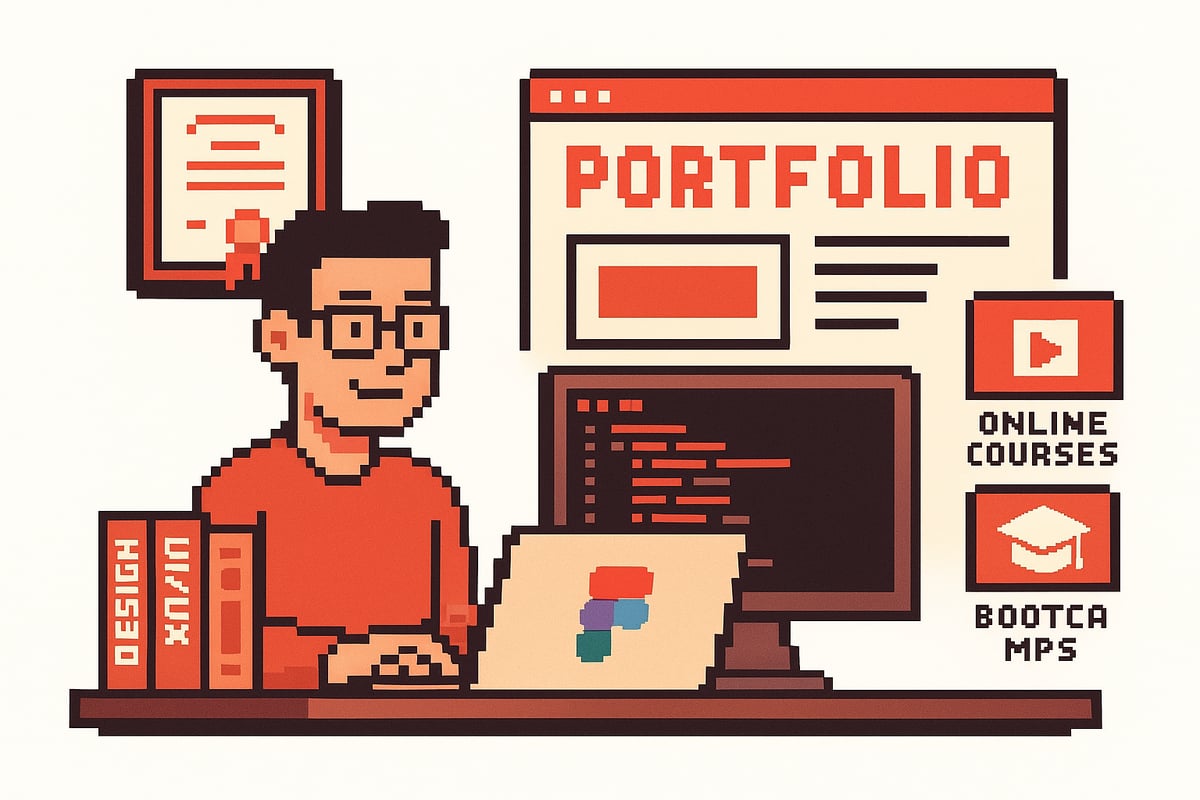
Formal Education vs. Self-Taught Routes
There are several paths to becoming a professional web designer. University degrees in design or computer science provide structured learning, networking opportunities, and access to academic resources. However, they often require significant time and financial investment.
Bootcamps offer accelerated, hands-on training focused on industry needs. Many bootcamps teach UX/UI principles and practical tools within months, making them ideal for career changers. Self-paced online courses and tutorials allow flexibility to learn at your own speed, often at a lower cost.
Comparison Table:
RouteCostFlexibilityPortfolio FocusNetworkingUniversityHighLowModerateStrongBootcampMediumMediumHighGoodSelf-TaughtLowHighHighVariable
Nearly 45% of web designers report being self-taught, highlighting the value employers place on demonstrable skills over formal credentials. For the aspiring professional web designer, the best route often combines structured learning with self-driven practice.
Key Courses and Certifications for 2026
To stand out as a professional web designer, it is vital to engage in continuous learning. Online platforms such as Coursera, Udemy, and LinkedIn Learning provide courses in visual design, UX/UI, and coding fundamentals.
Industry-recognised certifications, like Adobe Certified Expert and Google UX Design, validate your expertise to employers. Specialised training in platforms like Shopify and Craft CMS is increasingly valuable as eCommerce grows. For example, earning a Google UX Design certificate or a Shopify expert badge can significantly boost your profile.
Recommended Certifications Table:
CertificationFocus AreaRecognitionAdobe Certified ExpertVisual DesignHighGoogle UX DesignUX/UIHighShopify PartnereCommerceGrowing
Staying current with Essential Web Design Certifications is crucial, as the technology landscape evolves rapidly. The professional web designer who invests in ongoing education will remain highly competitive.
Practical Experience: Projects and Internships
Practical experience forms the backbone of a professional web designer’s portfolio. Real-world projects, whether freelance, volunteer, or personal, provide tangible proof of your abilities and creative approach.
Building a portfolio with diverse projects, such as designing a website for a local nonprofit or collaborating on an eCommerce site, demonstrates versatility. Internships offer mentorship, feedback, and a glimpse into industry workflows.
Here’s an example of a simple project outline you might include:
## Nonprofit Website Redesign
- Role: Lead Designer
- Tools: Figma, HTML, CSS
- Outcome: Improved accessibility, 30% increase in site engagement
Hands-on experience is often more valuable than theory alone. For the professional web designer, showcasing real results is the most effective way to attract employers and clients.
Mastering Web Design Tools and Technologies
For any professional web designer, mastering the right tools and technologies is fundamental to success in 2026. The landscape is evolving rapidly, and staying current ensures you remain competitive in a crowded field. This section explores the most essential design tools, web technologies, and emerging trends shaping the future of web design.

Core Design Tools for 2026
A professional web designer must be adept with industry-leading tools. Figma, Adobe XD, and Sketch are at the forefront, each offering unique capabilities for design and collaboration.
ToolPlatformCollaborationKey FeaturesFigmaWeb, DesktopReal-timePrototyping, cloud syncAdobe XDDesktopCoeditingAnimation, integrationSketchMac onlyLimitedVector editing, plugins
Figma stands out for its real-time cloud-based collaboration, making it a favourite for teams working remotely. Adobe XD excels at prototyping and animation, while Sketch is prized for its robust plugin ecosystem. As a professional web designer, employers now expect proficiency in at least two major tools.
To benchmark your skills and see how top firms operate, explore the Best Website Design Firms for examples of professional standards in the industry.
Essential Web Technologies
Technical literacy is crucial for every professional web designer. Core languages such as HTML5, CSS3, and JavaScript remain foundational. Responsive frameworks like Bootstrap and Tailwind CSS simplify mobile-first design, ensuring sites adapt seamlessly to all devices.
No-code and low-code platforms are transforming workflows. Tools like Webflow, Wix, and Shopify allow rapid prototyping and full site launches without deep coding expertise. For instance, building a Shopify store with drag-and-drop builders empowers a professional web designer to deliver bespoke eCommerce solutions efficiently.
Familiarity with these technologies expands your creative potential and flexibility, enabling you to work across diverse client requirements.
Staying Ahead with Emerging Tech
The future belongs to the adaptable professional web designer. AI-powered design assistants are streamlining tasks, from generating layouts to producing multiple design variations. Motion design and micro-interactions are becoming standard for engaging user experiences.
Accessibility remains a priority, with new compliance checkers and testing tools available to ensure inclusivity for all users. Early adoption of these technologies offers a clear competitive advantage, keeping your skills sharp and your portfolio relevant.
By integrating these innovations into your workflow, you position yourself as a forward-thinking professional web designer ready for the challenges and opportunities ahead.
Building a Standout Web Design Portfolio
An outstanding portfolio is the backbone of a successful career as a professional web designer. In a fast-moving digital market, your portfolio acts as your shop window, showing potential employers and clients both your creative flair and technical expertise. A well-crafted portfolio can be the difference between being overlooked and landing your dream project.

Crafting an Impressive Online Portfolio
To stand out as a professional web designer, focus on quality over quantity when selecting portfolio pieces. Choose work that demonstrates versatility, including eCommerce, branding, and UX/UI projects. Each project should be accompanied by a concise case study, highlighting your design process, problem-solving skills, and measurable results.
Use before-and-after redesigns to show your impact, especially for small businesses. Structure your portfolio for easy navigation, guiding viewers through your best work. For inspiration, explore this Showcase of Designer Portfolios, which features examples of top portfolios and what makes them effective.
Remember, your portfolio is your main marketing asset as a professional web designer. Invest time in updating it regularly to reflect your latest skills and achievements.
Leveraging Personal Branding
Building a strong personal brand is essential for every professional web designer. Start by creating a memorable visual identity, including a personal logo and cohesive colour palette. Write an engaging bio that communicates your value proposition and unique approach to design.
Establish authority by sharing your expertise. Blog posts, tutorials, or design tips on platforms like LinkedIn or your own website can set you apart as a thought leader. According to industry sources, 70% of clients review portfolios before making hiring decisions, underscoring the importance of a well-branded presence.
A distinctive personal brand helps you remain memorable and trusted in a competitive market, which is vital for any professional web designer aiming for long-term success.
Promoting Your Portfolio Effectively
Promotion is as crucial as creation for the professional web designer. Share your portfolio on platforms such as Behance, Dribbble, and LinkedIn to increase your reach. Engage in design communities and online forums to connect with peers and potential clients.
Optimise your portfolio website for SEO to attract organic traffic from those seeking web design expertise. Many designers gain freelance opportunities simply through strong portfolio SEO and active engagement online.
Consistent self-promotion ensures your work is seen by the right audiences, helping your career as a professional web designer thrive in a crowded digital landscape.
Navigating the Web Design Job Market and Freelancing in 2026
The web design industry is evolving rapidly, offering more routes than ever for a professional web designer to build a rewarding career. Whether you aspire to join a creative agency, work in-house, or carve out your own freelance path, understanding your options is key to thriving in this competitive landscape.
Career Pathways: Agency, In-House, and Freelance
A professional web designer in 2026 can choose from several career pathways, each offering distinct advantages. Agencies provide the chance to collaborate on varied projects for multiple brands, fostering rapid skill growth and creative exposure. In-house roles offer stability and deep involvement in a single brand’s digital evolution, making them ideal for those who prefer continuity and team environments. Freelancing, meanwhile, brings creative freedom and the potential for higher earnings by building niche expertise, such as eCommerce or branding.
PathwayStabilityCreative FreedomIncome PotentialExample ScenarioAgencyHighMediumCompetitiveMulti-brand campaignsIn-HouseHighLow-MediumFixedBrand growth projectsFreelanceVariableHighHighNiche eCommerce design
Freelancers now make up 35% of the web design workforce, and hybrid or remote roles are becoming the norm. If you aim to run your own business, resources like Building a Web Design Business provide actionable guidance for professional web designers seeking independence and growth.
Finding Clients and Landing Jobs
To succeed as a professional web designer, building a strong network is essential. Start by connecting with peers and potential clients on LinkedIn, attending design events, and seeking referrals from satisfied clients. Job boards and freelance marketplaces, such as Upwork and the Wix Marketplace, can also open doors to new opportunities.
When applying for roles or pitching to clients, tailor your CV, cover letter, and project proposals to highlight your most relevant achievements. For example, showcasing a recent eCommerce site redesign can set you apart in a crowded field. Remember, being proactive and visible in the web design community is vital for consistent career growth and recognition.
Setting Rates and Managing Projects
Determining your rates as a professional web designer means researching market trends, assessing your skill level, and understanding the value you offer. Many designers offer tiered pricing for different website packages, making it easier for clients to choose based on their needs. Clear contracts and invoicing tools, such as Bonsai or FreshBooks, help establish professionalism and trust.
Managing client expectations is crucial. Use project management software to keep timelines on track and communicate regularly with clients about progress. By maintaining high standards of communication and delivering quality work, you increase the likelihood of repeat business and referrals, ensuring your long-term success in the field.
Future-Proofing Your Web Design Career
Staying ahead in the digital field means constantly evolving, especially as a professional web designer. With technology and client expectations shifting rapidly, future-proofing your career is essential for long-term success.
Keeping Up with Industry Trends
Remaining relevant as a professional web designer demands ongoing education and awareness. The digital landscape is influenced by new design trends, emerging technologies, and evolving user needs. Regularly following design blogs, subscribing to podcasts, and joining webinars keeps your skills sharp and your perspective fresh.
Attending conferences or virtual events is an excellent way to hear from thought leaders and explore innovations such as AI-driven design and automation. According to recent State of Digital Marketing Web Design 2025 insights, the integration of AI is reshaping everything from prototyping to user testing.
Did you know that 80 percent of designers consider ongoing learning crucial to their career growth? By dedicating time to professional development, you ensure your skills never fall behind.
Expanding Your Service Offerings
To thrive as a professional web designer, consider broadening your expertise beyond core design. Diversifying your services makes you more valuable to clients and opens new revenue streams. Key areas include:
- SEO optimisation and digital marketing
- Branding and visual identity development
- Mastery of platforms like Shopify, Craft CMS, and headless CMS
Adding specialist skills such as Shopify web design, Shopify development, and Shopify migration can set you apart in the competitive eCommerce sector. Multi-skilled designers are in high demand and often command higher rates.
Service AreaBenefitsSEOImproves site visibility and trafficShopify/Craft CMSExpands eCommerce project opportunitiesBrandingAttracts clients seeking comprehensive work
Continuous learning and upskilling help you meet the changing needs of clients and stand out in the crowded market.
Building a Sustainable Business or Career
Success as a professional web designer is not just about technical skill, but also about strategic planning and business acumen. Set clear, measurable goals for your career—whether you aim to become a lead designer, launch your own agency, or specialise in a particular niche.
Balance client projects with personal creative work to maintain passion and prevent burnout. Invest time in marketing your services, refining your portfolio, and tracking your progress regularly.
Launching a personal brand or small agency can be a powerful way to establish authority and ensure a steady flow of projects. By planning for the long term and adapting to industry shifts, you can build a stable, rewarding future in web design.
You’ve seen how essential it is to build a broad skill set, keep up with emerging trends, and create a portfolio that truly reflects your expertise as you step into the world of professional web design. At Futur Media, we understand that turning your creative vision into a high-performing digital experience requires both practical know-how and ongoing support. If you’re ready to transform your ideas into real projects, let’s collaborate on something remarkable. Take the next step towards your professional web design career and Start Project with us today.